





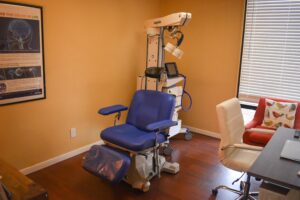
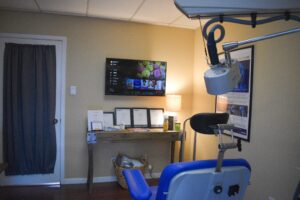


Anew Era TMS & Psychiatry is a Full Suite Mental Health clinic. We offer Therapy, Medication Management, and TMS Treatment. We believe that timely psychiatric appointments are critical to best patient care. Therefore, we strive to schedule appointments within 3-14 days. We currently have 3 Licensed Psychiatrists, 6 Psychiatric Nurse Practitioners, PAs, and 6 Therapists on staff waiting to serve your patients. We strongly believe that money should not be a barrier to accessing mental health care, so we take most insurances, except for Medicaid. Lastly, we are committed to raising the bar in psychiatric care services by always providing excellent customer service from the first point of contact.

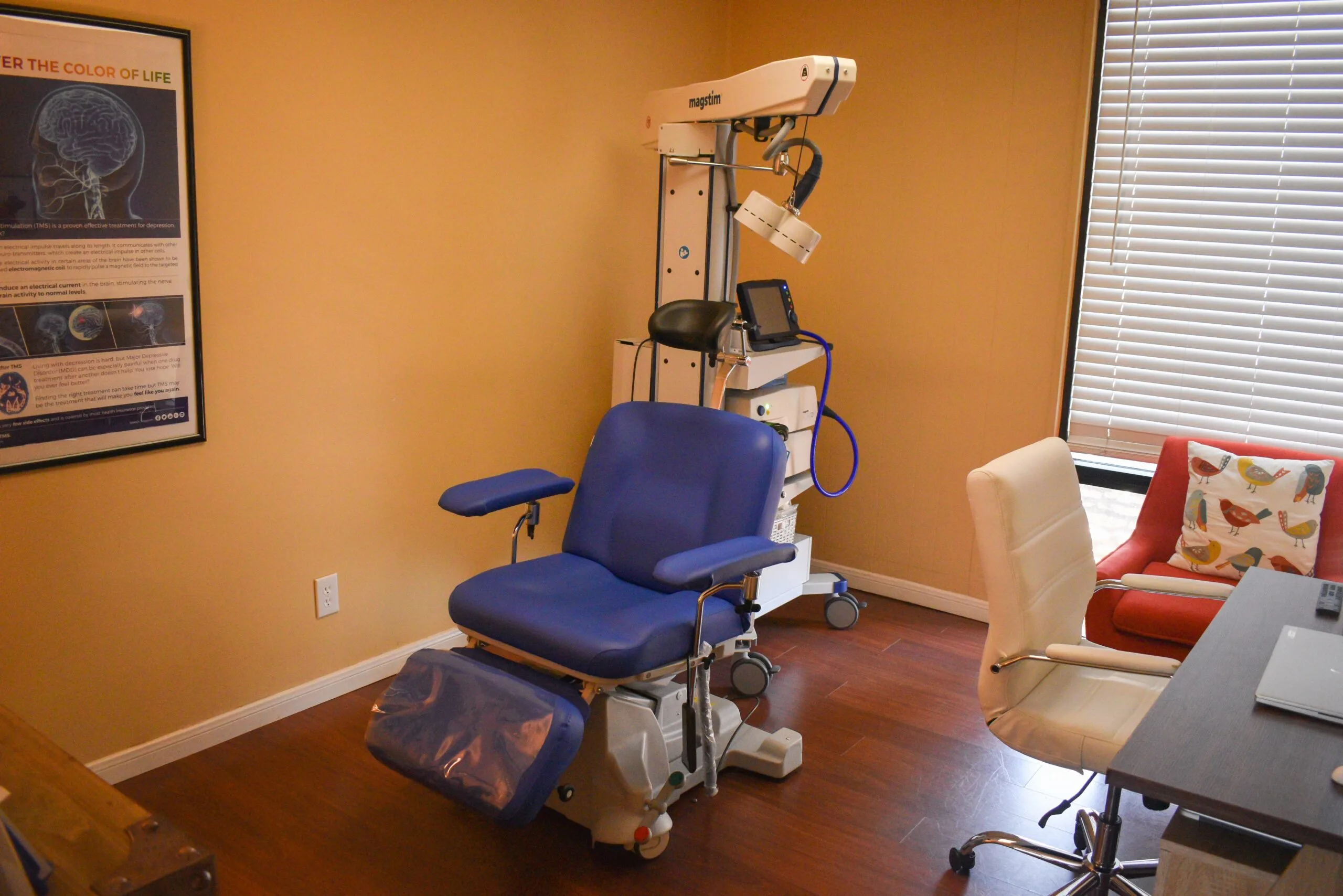
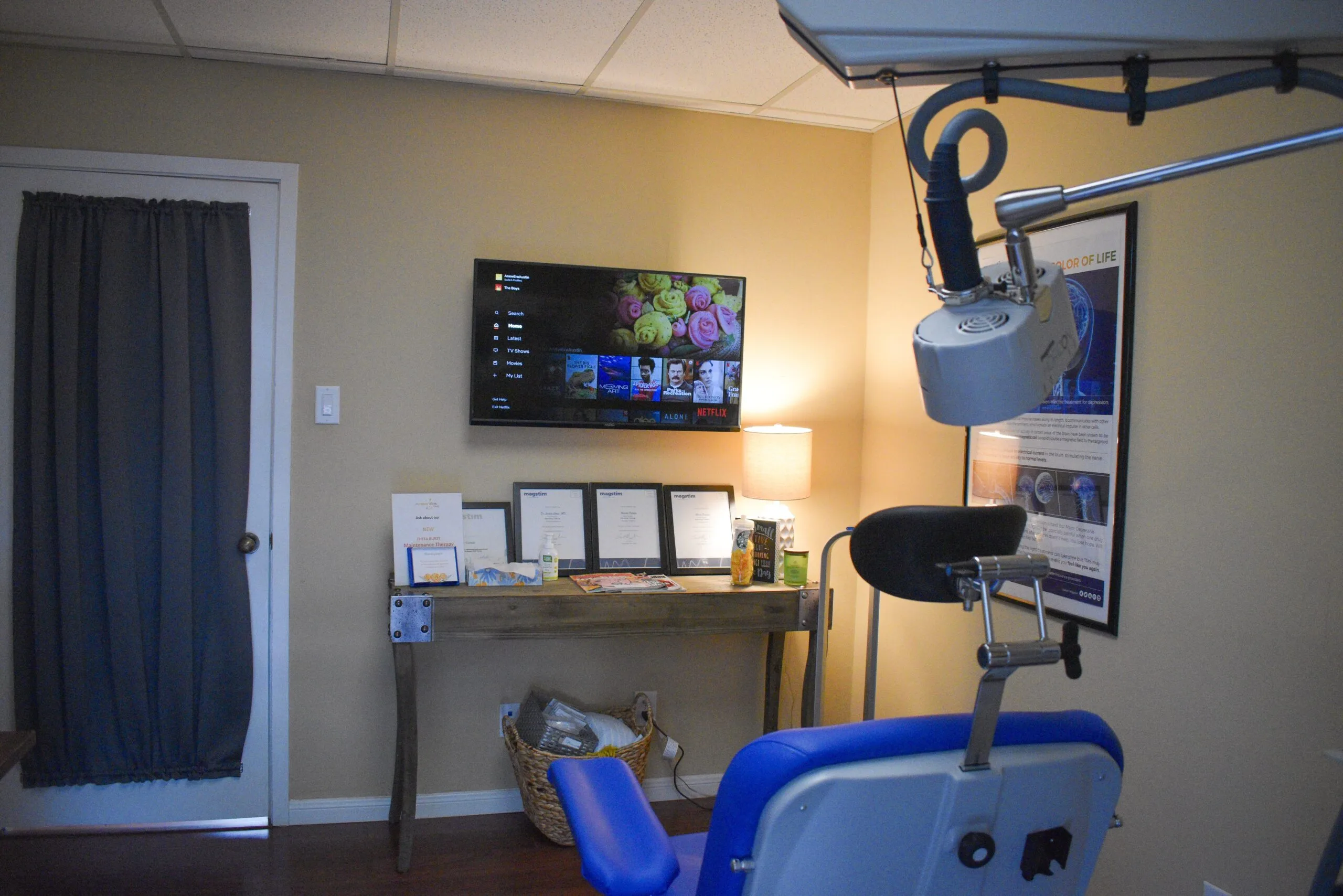

1. Does the healthcare office offer private or semi-private rooms?
2. Does the healthcare office have a space where a friend or partner can sit while I get treatment?
3. Does the healthcare office coordinate transportation or allow rideshares to and from treatment?
4. Does the healthcare office have extended hours?
5. Do you offer free consultations on TMS, Ketamine or Spravato?
6. What is the price range for ?
7. Types of TMS offered (standard rTMS, deep TMS, theta burst, accelerated TMS)
8. Awards or accreditations
9. Professional affiliations (APA, Clinical TMS Society, etc.)
1. Do you accept HSA or FSA Funds ?
2. Do you offer payment plans ?
3. Do you accept Medical Credit Cards ?
"*" indicates required fields
Our Austin clinic offers advanced, non-invasive transcranial magnetic stimulation for those seeking an alternative to traditional medication. Located in a convenient outpatient setting, treatment requires no downtime, allowing patients to commute from areas like Tarrytown or Mueller and return to their day immediately. Many residents explore how TMS therapy works as a solution for treatment-resistant depression.
The clinical team at Anew Era in Austin provides comprehensive evaluations to ensure each protocol is tailored to the individual. Our facility is easily accessible from the Mopac Expressway and US-183, serving the greater Austin metro area with flexible scheduling. By focusing on precision, we aim for the highest clinical outcomes for our patients.
This location is managed by licensed psychiatric experts who monitor every session to ensure patient comfort. We prioritize education regarding the safety of the procedure; patients can review common TMS side effects to understand why this technology is a preferred non-systemic option.
This location serves patients in Central Texas who are looking for specialized treatment close to home. Our facility is situated near Tarrytown and the University of Texas at Austin, making it a convenient stop for those in the metro area. Appointment schedules are designed to fit into work and family routines, making it easier to stay consistent throughout the treatment course. Individuals considering care can review how TMS therapy works to understand session length and preparation for their upcoming clinical outcomes.
This location provides TMS as a safe, FDA-approved, and non-invasive treatment for depression. Because the procedure is non-systemic and does not require anesthesia, patients at our Austin clinic typically experience fewer side effects than those associated with traditional oral medications.
Yes, our Austin clinic serves as a local hub for this specialized care, ensuring Central Texas residents have access to the latest mental health technology.
The cost of TMS therapy can vary based on your individualized treatment plan. Our patient resources indicate that most major insurance plans cover treatment for depression. This location accepts these providers, and our staff will help you verify insurance coverage before you begin.
The clinical team at Anew Era in Austin typically coordinates a series of weekday sessions over several weeks. Because each visit is brief and requires no recovery time, treatment fits seamlessly into your work or school schedule.
TMS therapy at Anew Era is commonly used for depression. Depending on clinical qualifications and regulatory approvals, treatment may also be available for conditions such as obsessive-compulsive disorder or other mood-related concerns.
Referral requirements depend on insurance policies. Some patients can self-refer, while others may need documentation from a psychiatrist or mental health professional. The clinic staff can guide patients through the appropriate steps.