



Anew Era TMS & Psychiatry is a Full Suite Mental Health clinic. We offer Therapy, Medication Management, and TMS Treatment. We believe that timely psychiatric appointments are critical to best patient care. Therefore, we strive to schedule appointments within 3-14 days. We currently have 3 Licensed Psychiatrists, 6 Psychiatric Nurse Practitioners and PA’s and 6 Therapists on staff waiting to serve your patients. We strongly believe that money should not be a barrier to accessing mental health care, so we take most insurances, except for Medicaid. Lastly, we are committed to raising the bar in psychiatric care services by always providing excellent customer service from the first point of contact.

The experience i had with the Anew Era & Psychiatric team was beautiful. I was treated with the utmost respect When I entered the office they treated me like a family member. Thanks Anew Era.

John Anthony Chua is beyond excellent. He has given me more insight and understanding of myself in the short time that we had our Zoom meeting than any therapist I have ever been to. I appreciate his ... Read more

Sami and Miranda were great! They made the TMS experience very relaxing and enjoyable.

John has always and continues to be very thorough and glean so much from each meeting I have with him. Very pleased with the level of support and compassion and happy I found their practice as so much... Read more

Dr Diya and his staff are extremely professional, efficient, courteous and kind. I would recommend this office to anyone in need of mental health support.
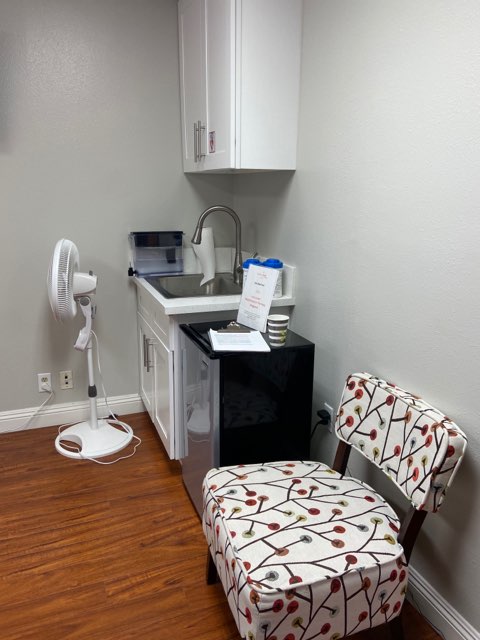
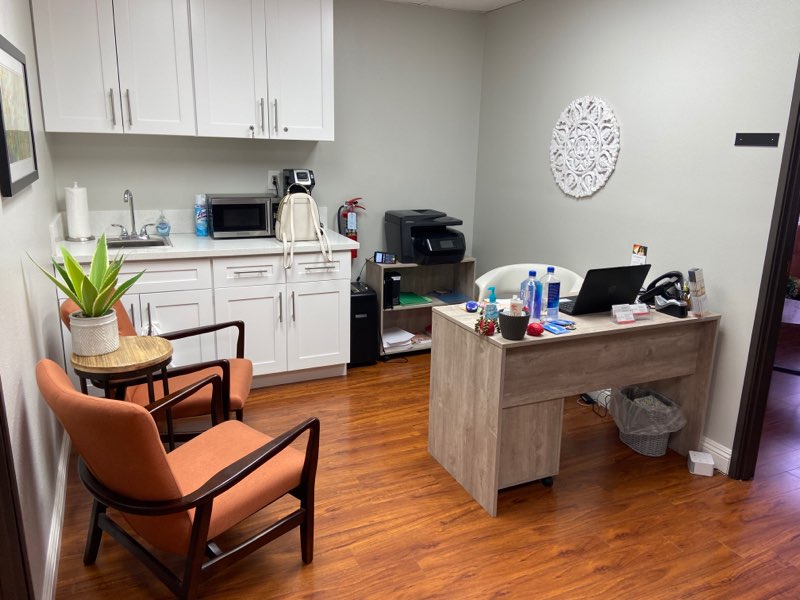
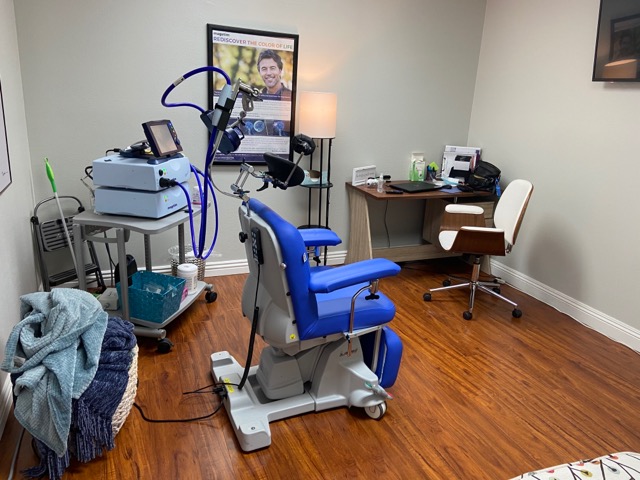
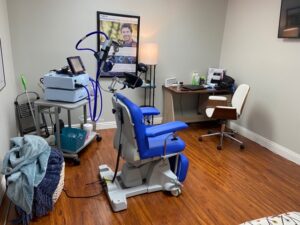
While treatment varies by individual, a typical TMS Therapy treatment session is approximately 30-40 minutes. During treatment, patients relax in a treatment chair and remain awake and alert. The TMS Therapy device will deliver magnetic pulses to specific areas of the brain known to regulate mood. These pulses will feel like tapping on the scalp. After a treatment session, patients can immediately return to their normal routine, including driving.
TMS Therapy is a safe and effective, FDA-cleared medical treatment for individuals diagnosed with depression, anxiety, PTSD and OCD that can be used in conjunction with medication or as a stand-alone treatment. It offers a non-invasive, non-systemic, and non-sedating treatment option. TMS Therapy applies magnetic stimulation to specific areas of the brain involved in mood regulation- areas known to be underactive in people suffering from these conditions.
TMS Therapy ranges from 20-30 treatments over a 4–6-week period, and since every patient is different, response time varies as well. Some patients begin noticing a reduction in depressive symptoms after week two, while others begin to feel the benefits of therapy at week 4 or 5.
While some patients may need maintenance therapy in managing their depression, most patients will not. Variables such as a patient’s available support system, sleep patterns, diet, and exercise can all influence a patient’s recovery from a depressive episode. Anew Era TMS and Psychiatry works with each patient to help them understand their situation, recognize potential triggers, identify a support system, and find the right combination of diet and exercise to help maintain their improved mood.
The short answer is yes—but there's more to the story. As a rule, insurance companies won't pay for a service or procedure unless they consider it medically appropriate or necessary. While all insurance company's policies are different, the following general criteria typically dictate whether TMS therapy will be covered: You've been diagnosed with moderate-to-severe Major Depressive Disorder (MDD), OCD, PTSD or Anxiety. You are not seeking TMS for conditions that are not covered. For example, treatment of bipolar disorder, ADHD, tinnitus, or chronic pain is not covered. You have documentation that at least two (sometimes four) medications have not been helpful. You made an adequate attempt at other therapies known to be effective for treating your condition; but showed little improvement.
TMS is well-tolerated and associated with few side-effects and only a small percentage of patients discontinue treatment because of these. The most common side-effect, which is reported in about half of patients treated with TMS, is headaches. These are mild and generally diminish over the course of the treatment. Over-the-counter pain medication can be used to treat these headaches. About one third of patients may experience painful scalp sensations or facial twitching with TMS pulses. These too tend to diminish over the course of treatment although adjustments can be made immediately in coil positioning and stimulation settings to reduce discomfort. The most serious risk of TMS is seizures. However, the risk of a seizure is exceedingly low.
According to Mayo Clinic, up to 40% of adolescents with major depressive disorder fail to respond to prescription drugs and psychotherapy: For these patients, transcranial magnetic stimulation (TMS) may be a safe, well-tolerated and effective therapeutic option. Transcranial Magnetic Stimulation, or TMS, is a noninvasive and drug-free method of alleviating symptoms of treatment-resistant depression also. Available data suggests that risk from [TMS] in children is like adults. Consequently, most research on TMS features patients over the age of 18. With that said, the findings are both impressive and encouraging.
1. Does the healthcare office offer private or semi-private rooms?
2. Does the healthcare office have a space where a friend or partner can sit while I get treatment?
3. Does the healthcare office coordinate transportation or allow rideshares to and from treatment?
4. Does the healthcare office have extended hours?
5. Do you offer free consultations on TMS, Ketamine or Spravato?
6. What is the price range for ?
7. Types of TMS offered (standard rTMS, deep TMS, theta burst, accelerated TMS)
8. Awards or accreditations
9. Professional affiliations (APA, Clinical TMS Society, etc.)
1. Do you accept HSA or FSA Funds ?
2. Do you offer payment plans ?
3. Do you accept Medical Credit Cards ?
"*" indicates required fields
Our Orange clinic offers a cutting-edge, drug-free alternative for individuals who have found little relief from traditional antidepressants. We specialize in Transcranial Magnetic Stimulation (TMS), an FDA-cleared, non-invasive procedure that revitalizes underactive neural pathways associated with mood regulation. This localized therapy allows residents from Orange, Santa Ana, and Anaheim to receive advanced psychiatric care in a comfortable, outpatient setting without the need for anesthesia or recovery time.
The clinical team at Anew Era in Orange is committed to delivering measurable clinical outcomes through personalized brain stimulation protocols. Located at 2050 W Chapman Ave, Suite #201, our facility is ideally situated near the Orange Crush interchange where the 57, 22, and 5 freeways meet. This central location makes daily sessions easy to manage for those living near the Outlets at Orange or working in the UC Irvine Medical Center area. During your consultation, our experts will explain the targeted nature of the technology and how it helps alleviate persistent symptoms.
This Orange location upholds a high standard of clinical excellence, with every session monitored by certified TMS technicians and overseen by experienced psychiatrists. If you have concerns regarding physical sensations during treatment, our staff is ready to discuss common TMS side effects to ensure you feel confident and comfortable. Because TMS is non-systemic, it does not enter the bloodstream, sparing patients from the side effects often caused by oral medications.
The clinical team at Anew Era serves as a specialized hub for central Orange County, providing access to innovative mental health treatments that fit into your daily routine. By offering local access to this sophisticated technology, we help patients avoid the frustration of long commutes into Los Angeles or coastal hubs for specialized care. With the ability to schedule consultations within 3 to 14 days, we ensure that your transition to a more effective treatment plan is both swift and seamless.
This location provides TMS as a safe, FDA-approved, and non-invasive treatment for depression. Because the procedure is non-systemic and does not require anesthesia, patients at our Orange clinic typically experience fewer side effects than those associated with traditional oral medications, with the most common being a temporary, mild headache.
Yes, our Orange clinic serves as a specialized local hub for residents, offering access to cutting-edge psychiatric technology in a convenient central location on Chapman Avenue near the Anaheim-Orange border.
The cost of TMS therapy can vary based on your individualized treatment plan. Our patient resources indicate that most major insurance plans, including Blue Cross Blue Shield, Aetna, and Anthem, cover treatment for depression. This location accepts these providers, and our staff will help you verify insurance coverage before you begin.
The clinical team at Anew Era in Orange typically coordinates brief, daily sessions over a period of 4 to 6 weeks. This consistent schedule is designed to produce the best results while fitting easily into a busy professional or personal schedule, as sessions usually take about 30 to 40 minutes.
TMS therapy at Anew Era is commonly used for depression. Depending on clinical qualifications and regulatory approvals, treatment may also be available for conditions such as obsessive-compulsive disorder or other mood-related concerns.
Referral requirements depend on insurance policies. Some patients can self-refer, while others may need documentation from a psychiatrist or mental health professional to establish medical necessity. The clinic staff can guide patients through the appropriate steps.