









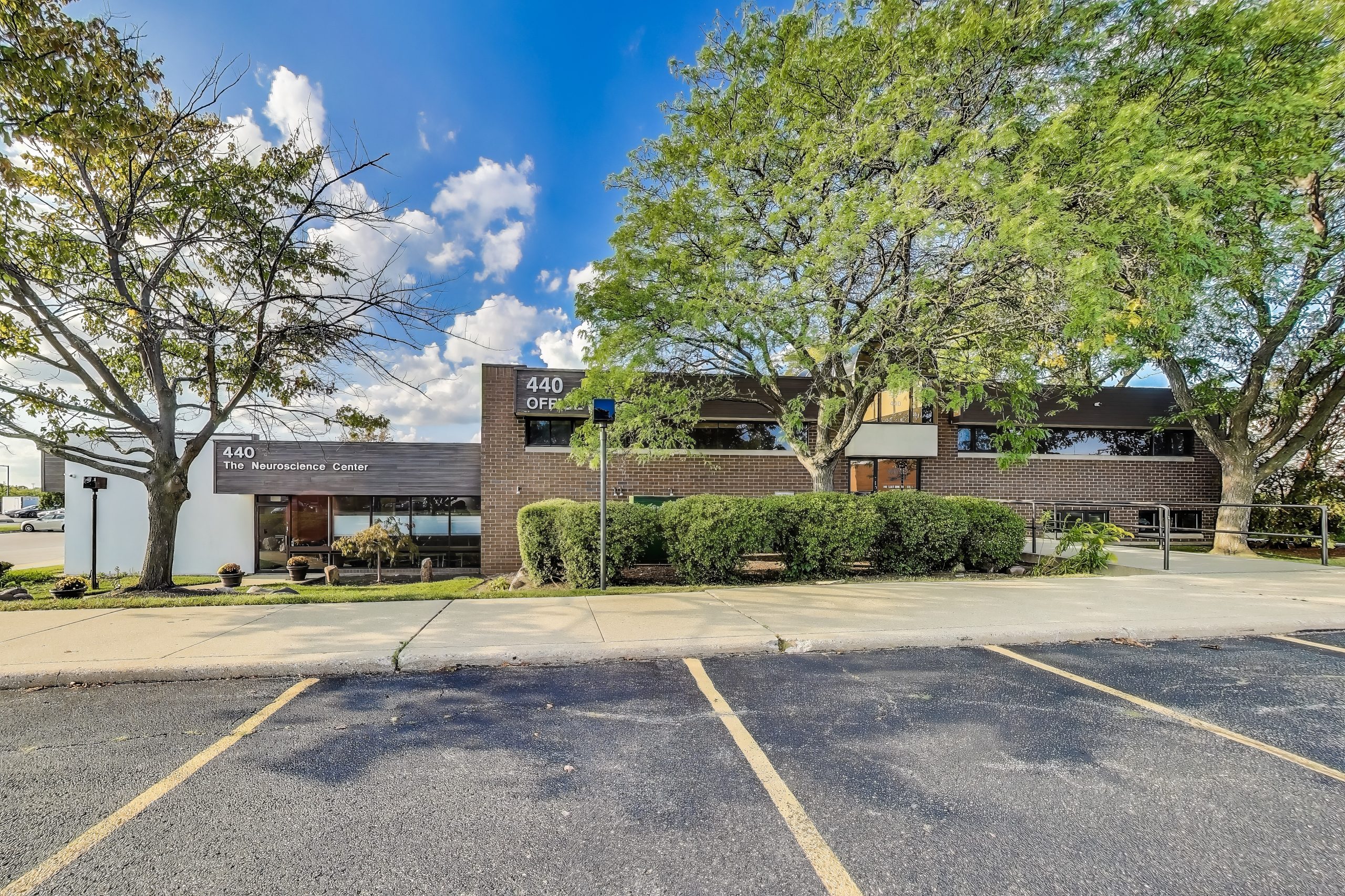
The Neuroscience Center is an advanced interventional psychiatry and neuropsychiatry
practice dedicated to patients with complex, chronic, and treatment-resistant conditions.
Led by board-certified psychiatrist and neuropsychiatrist Dr. Best, the clinic combines
decades of clinical experience with sophisticated diagnostic testing, functional brain
assessment, and innovative treatment strategies.
The practice specializes in identifying the medical, neurologic, psychiatric, and
metabolic factors that may contribute to unsuccessful treatment. Services include
comprehensive psychiatric and neuropsychiatric evaluations, TMS, EEG testing through
an in-house electrophysiology laboratory, and expert review of brain SPECT imaging
obtained at outside facilities.
Under Dr. Best’s leadership, the clinic has become a destination for patients with severe
depression, psychosis, chronic pain, brain injury, post-stroke symptoms,
neurodegenerative illness, and other high-comorbidity conditions. The practice is also
distinguished by Dr. Best’s patented work combining noninvasive brain stimulation with
ketamine-based treatment to pursue stronger and more durable outcomes for patients
who have not improved with conventional care.
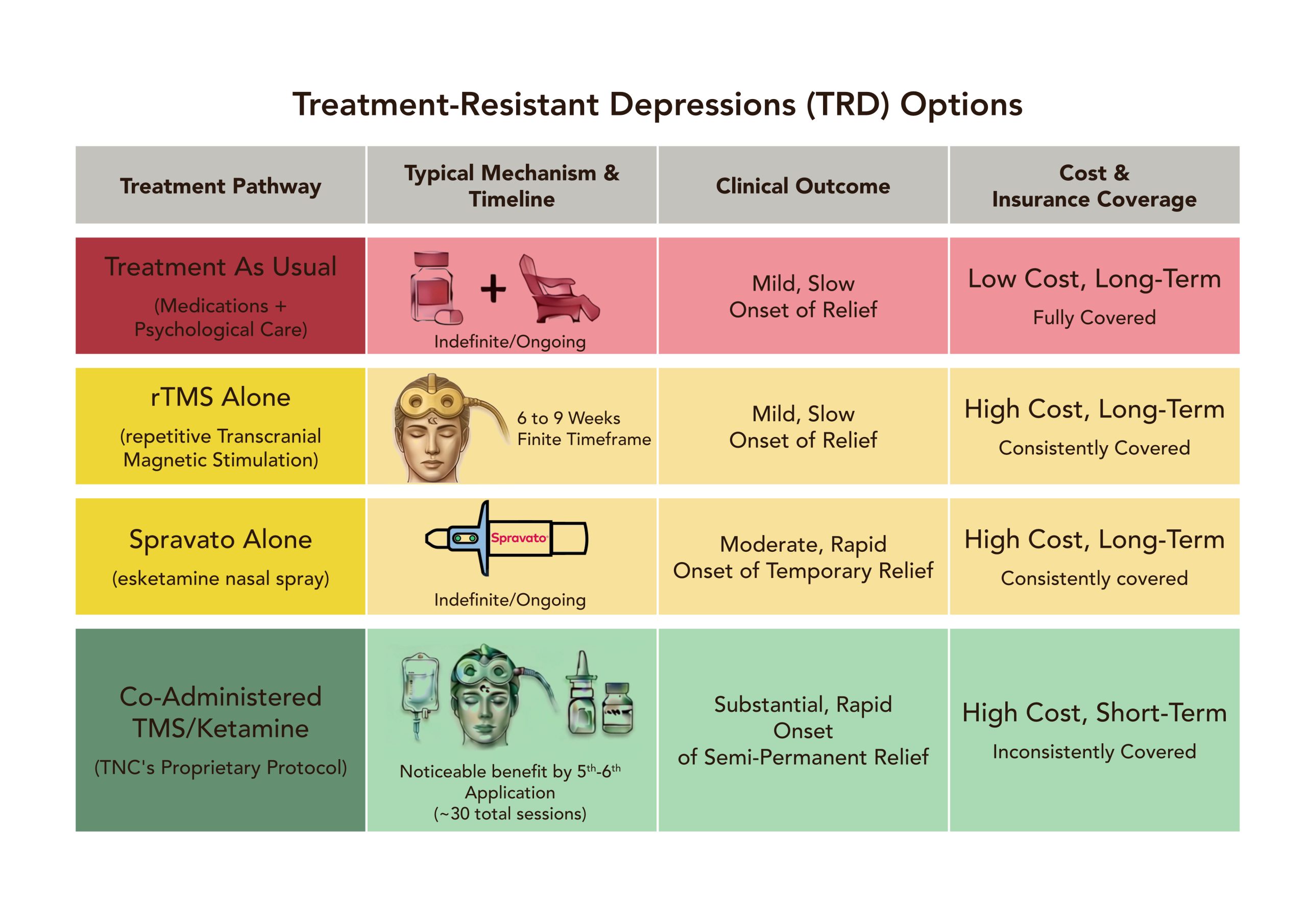
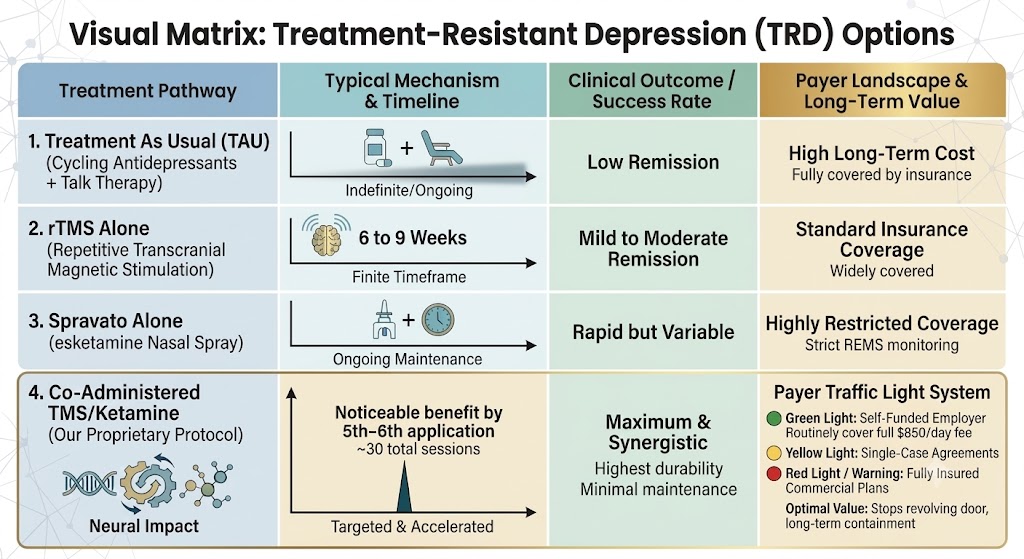
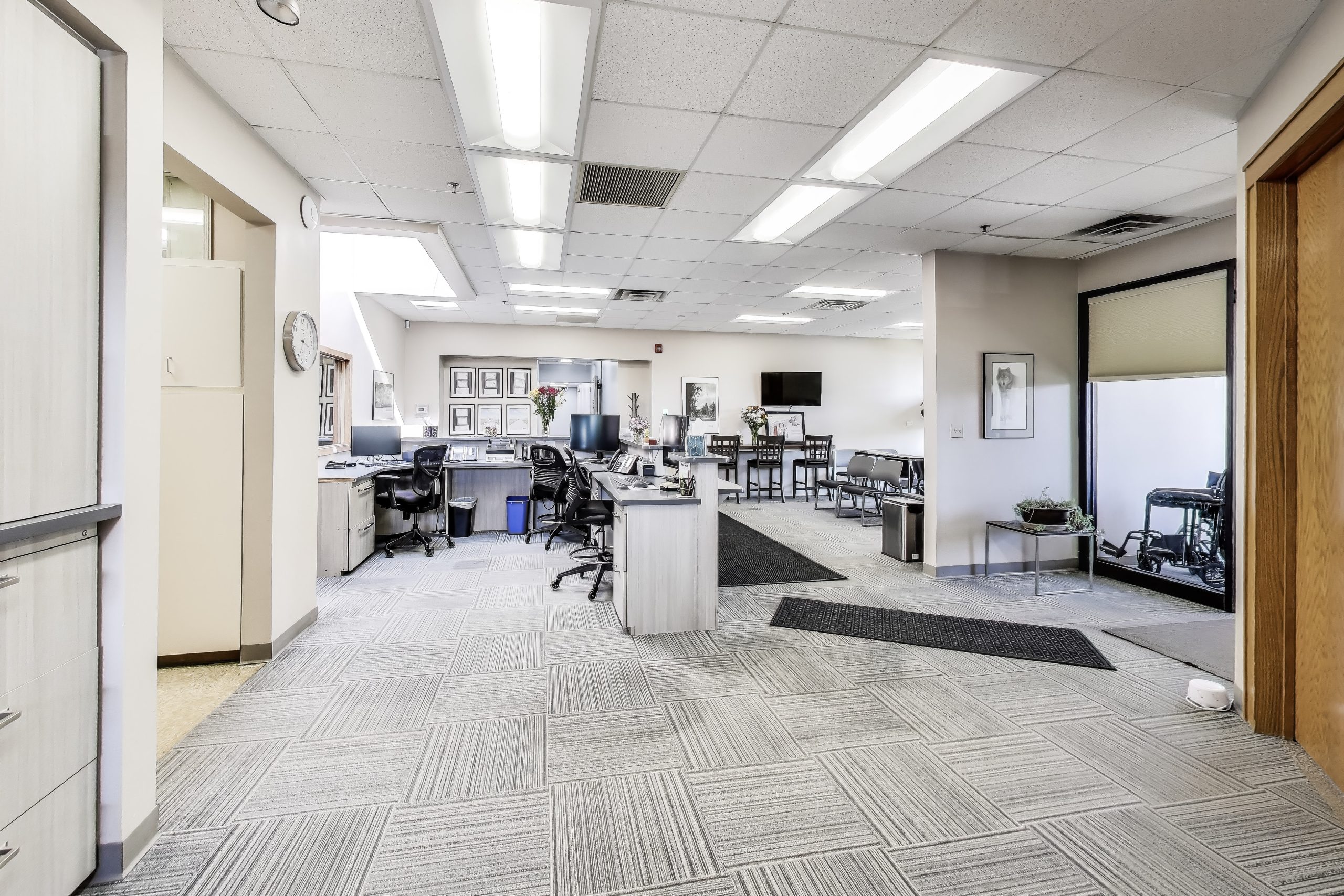
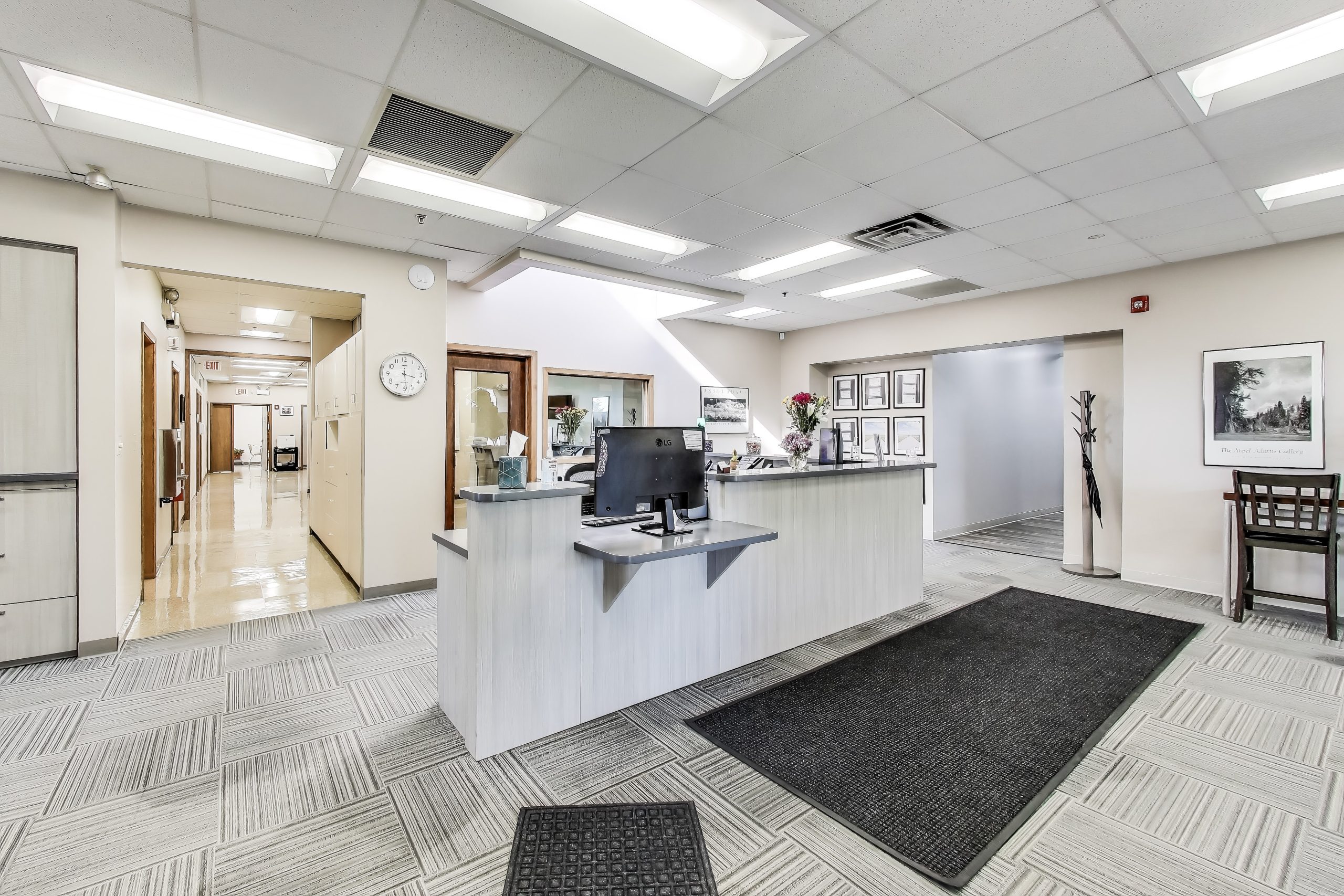
We always prefer to screen referrals - we ask for an email description and then briefly discuss the situation by phone with the potential patient/family - always hoping to avoid a waste of effort with us. Sometimes we will make a suggestion for a different course of action from that phone call and use our Rolodex to search for the appropriate provider.
As needed.
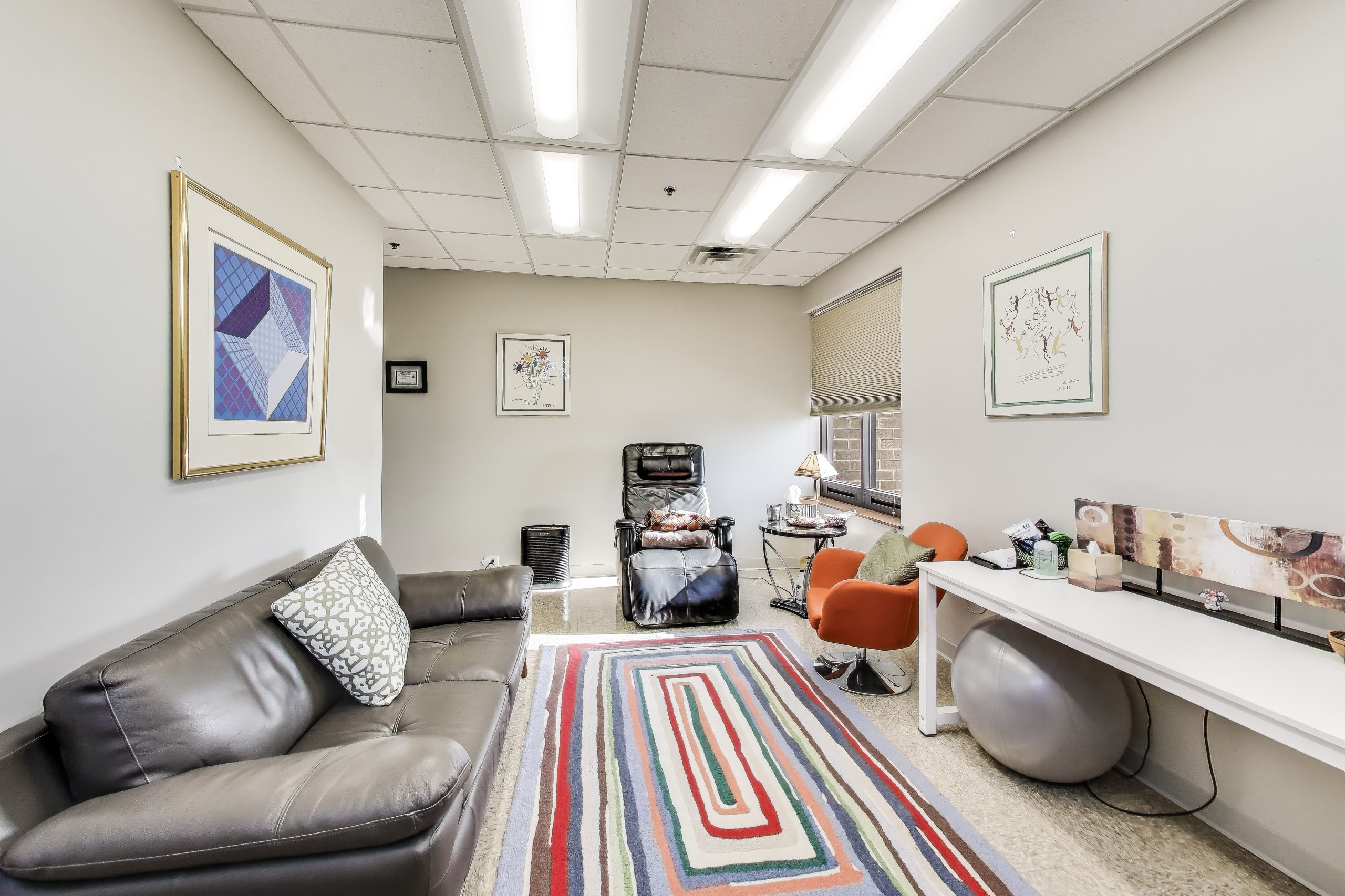
We have both options. Please know that for the TMS/ketamine we find that being treated in the same large room as part of a disparate group or cohort is most effective.
1. Does the healthcare office offer private or semi-private rooms?
2. Does the healthcare office have a space where a friend or partner can sit while I get treatment?
3. Does the healthcare office coordinate transportation or allow rideshares to and from treatment?
4. Does the healthcare office have extended hours?
5. Do you offer free consultations on TMS, Ketamine or Spravato?
6. What is the price range for ?
7. Types of TMS offered (standard rTMS, deep TMS, theta burst, accelerated TMS)
8. Awards or accreditations
9. Professional affiliations (APA, Clinical TMS Society, etc.)
1. Do you accept HSA or FSA Funds ?
2. Do you offer payment plans ?
3. Do you accept Medical Credit Cards ?
Ian A. Cook, M.D., D.L.F.A.P.A., F.C.T.M.S.S.1 I am seeing a number of patients receiving ketamine and transcranial magnetic stimulation (TMS). What d...
Read MoreI am seeing a number of patients receiving ketamine and transcranial magnetic stimulation (TMS). What data support this combination treatment?
The combination of transcranial magnetic stimulation (TMS) and ketamine is an emerging strategy for patients with treatment-resistant depression who have not responded adequately to standard pharmacotherapy or to either intervention alone. The available literature remains small and methodologically limited, consisting largely of case reports, retrospective series, and one pilot comparison. Even so, the published studies suggest feasibility, acceptable tolerability, and possible additive or synergistic antidepressant effects in highly refractory patients. Both interventions engage glutamatergic signaling, neuroplasticity, and network-level reorganization, which provides a biologically plausible rationale for combining them. At present, the main clinical questions concern patient selection, treatment timing, optimal parameters, monitoring, and seizure risk management.
Treatment-resistant depression is commonly defined as failure to achieve symptomatic response after at least two adequate antidepressant trials from different pharmacologic classes, although staging systems vary (1). In practice, many patients fail substantially more treatments before neuromodulation or ketamine is considered (2). Both TMS and ketamine are evidence-based interventions that have good track records of success for difficult-to-treat depression, but each leaves a substantial minority of patients with incomplete response, early relapse, or no meaningful benefit (3). Interest in combining these interventions arises from this therapeutic gap and from reports that some patients who do not respond adequately to monotherapy may improve when the modalities are paired or sequenced (4–7). The key clinical question now is not whether combination treatment is ready for routine use, but how it might be positioned within a stepped care approach for patients with severe or refractory illness. This review summarizes the current literature, outlines a mechanistic rationale for the combination, discusses candidate patient selection, and offers practical guidance on sequencing, safety, and implementation in subspecialty practice.
A 2024 systematic review (2) identified six eligible clinical publications on the combination of TMS and ketamine for depression that were published between 2014 and 2024: three case reports, one retrospective study, one pilot study, and one review article. A 2023 neurobiological review, using a broader search strategy, reached a similar conclusion and emphasized that the literature is dominated by uncontrolled and retrospective work with substantial protocol heterogeneity (3). Taken together, these reviews indicate that this combined treatment approach remains exploratory and lacks a mature evidence base for standardization (2, 3). Nonetheless, for highly refractory patients who have exhausted many other treatment options, today’s clinicians should be prepared to consider whether combination treatment might be an appropriate off-label option, and, if so, to address safety and practical concerns.
The available reports can be divided into three broad categories that are based on the timing of the interventions. The first includes truly concurrent protocols, often using low-frequency repetitive TMS (rTMS) delivered during intravenous ketamine infusion and frequently targeting the medial prefrontal cortex or anterior cingulate (4, 6). The second includes same-day, but nonconcurrent, protocols, in which TMS and ketamine are separated in time (7). The third includes sequential or “rescue” strategies in which ketamine is introduced after a failed TMS course, or TMS is added to an ongoing ketamine treatment program, often on different days (5, 7, 8).
The pioneering retrospective series by Best and colleagues (4) included 28 adults with unipolar or bipolar treatment- resistant depression who received concurrent low-frequency (1 Hz) TMS and ketamine infusions across 10 to more than 30 sessions. Clinical Global Impression–Severity scale scores reportedly improved and remained improved for up to 2 years (4). Heterogeneous diagnoses, absence of a control group, and the wide range of treatment exposures substantially limit generalizability. Nevertheless, the Best and colleagues (4) report provided an early demonstration that repeated concurrent TMS and ketamine could feasibly be delivered to complex patients and achieve clinical benefits.
Case reports describe similarly positive outcomes in selected, highly refractory patients. Best (8) first reported clinically meaningful improvement in a patient with bipolar I depression and severe treatment-resistant depression who was treated with combined ketamine and TMS. Best and Griffin (5) reported substantial improvement in a 23-yearold woman with treatment-resistant depression who underwent a protocol that began with brief TMS pretreatment followed by combined low-frequency TMS and ketamine sessions over 13 weeks. Best (6) described a patient with chronic obsessive-compulsive disorder (OCD) and treatment- resistant depression who received concurrent TMS and ketamine; depressive and anxiety symptoms improved more than obsessive- compulsive symptoms, which suggests that anatomical targeting may need to be selected based on the clinical condition being addressed. More recently, Elkrief and colleagues (7) described a patient with bipolar depression and severe treatment-resistant depression who failed monotherapy trials of rTMS and ketamine but achieved sustained remission with a nonconcurrent protocol that combined intermittent theta burst stimulation (iTBS) and continuous theta burst stimulation (cTBS) with intravenous and then intramuscular ketamine (with the TBS and ketamine treatments spaced by 4 hours).
The largest comparative dataset to date is a 2024 pilot study by Shanok and colleagues (9), in which 169 patients with treatment-resistant depression received deep TMS (dTMS) alone and 66 patients received dTMS plus six intravenous ketamine infusions over 9 weeks (2, 9). Both patient groups improved significantly, but the between-group difference was not statistically significant (9). Response and remission numerically favored the combined-treatment group, but statistical superiority was not established. Thus, even if combination treatment is feasible for individual patients, its advantage over TMS alone remains uncertain (2, 9). The heterogeneity of diagnoses, TMS provided, and timing between treatments all serve to limit our ability to draw firm conclusions about which approaches may best merit further research investigation.
The available series and case reports generally describe patients with more entrenched treatment resistance than those at lower stages of treatment-resistant depression, which is unsurprising for early clinical exploration of a novel approach (4–7, 9). In these reports, most patients had failed at least two antidepressant trials, and many had failed substantially more interventions, including augmentation strategies, psychotherapy, and, in some cases, electroconvulsive therapy, vagus nerve stimulation, or prior courses of TMS or ketamine (4, 7, 9). These data support consideration of the combination in highly resistant populations, particularly when one modality has produced only partial, transient, or unsustained benefit (4, 9). A partial or transient response to ketamine or TMS monotherapy may indicate potentially modifiable biology rather than complete resistance (4).
By contrast, there is little evidence to support combination therapy as a first-line interventional treatment in patients who have not yet received TMS or ketamine monotherapy (2, 3). Existing reports include both unipolar and bipolar depression, as well as depression that is complicated by anxiety disorders, chronic pain, and obsessive- compulsive symptoms (4, 6, 7). These observations not only suggest that comorbid conditions do not preclude benefit, but they also caution that improvement may not be uniform across symptom domains (6).
Within stepped care algorithms such as the Sequenced Treatment Alternatives to Relieve Depression (STAR*D) project and the Texas Medication Algorithm Project (TMAP), combined TMS and ketamine would likely be positioned after failure of standard pharmacotherapy and after at least one interventional strategy has proved insufficient (4, 9). In practical terms, this often means positioning the combination after two to three adequate antidepressant failures plus either a failed or only partially successful TMS course, a failed or only partially successful ketamine or esketamine course, or relapse after an initial response to one of these modalities (2). Arubuolawe and colleagues preliminarily argue that the combination is best reserved for patients who have not responded satisfactorily to monotherapy with either TMS or ketamine (2).
This positioning also makes ethical and operational sense. Combined treatment is not standardized, is often outside insurance coverage, and requires infrastructure for both neuromodulation and ketamine administration (2, 9). In the absence of randomized data, it is difficult to justify this combination as an earlier-line intervention (2, 3), and it is instead better conceptualized as a subspecialty treatment for patients who are highly refractory, rapidly relapsing, or intolerant of other evidence-based options (2, 4).
An appealing feature of combining TMS and ketamine is that their mechanisms are convergent but distinct. Ketamine is a noncompetitive N-methyl-D-aspartate (NMDA) receptor antagonist whose antidepressant effects extend beyond NMDA blockade and involve disinhibition of glutamatergic signaling, enhanced AMPA (alpha-amino-3-hydroxy-5-methyl-4-isoxazole propionic acid) throughput, increased brain-derived neurotrophic factor (BDNF), activation of mechanistic target of rapamycin (mTOR)-related pathways, and increased synaptic plasticity in prefrontal and limbic circuits (10). TMS, depending on frequency and pattern, modulates cortical excitability and plasticity; high-frequency rTMS as well as iTBS generally produce excitatory, long-term potentiation-like effects, whereas low-frequency stimulation produces inhibitory, long-term depression-like effects (11).
Both treatments influence glutamatergic transmission, neurotrophic signaling, and network connectivity, especially within frontal-limbic systems that are implicated in depression (3, 10, 11). Dębowska and colleagues (3) highlight evidence that TMS can increase blood flow and connectivity in the dorsolateral prefrontal cortex (DLPFC), modulate amygdala coupling, increase glutamatergic transmission, and raise peripheral BDNF levels, whereas ketamine can increase prefrontal and anterior cingulate functional connectivity and engage AMPA-BDNF-mTOR cascades that are associated with rapid synaptogenesis (3, 10). Synergy may arise if ketamine opens a transient “plasticity window” during which targeted stimulation more effectively consolidates adaptive circuit changes, or if repeated TMS sessions prime networks that later become more responsive to ketamine-induced synaptic remodeling.
Available data do not establish whether TMS is best delivered before, after, or during ketamine treatment (2, 3). Mechanism- based arguments can be made for all three approaches, but current evidence is insufficient to confidently favor one protocol (3).
When studies examine a pairing of two different medications (e.g., augmentation studies), the potential for drug-drug interactions has practical implications for safety. An important practical question in TMS-ketamine combination treatment is whether ketamine changes cortical excitability enough to alter the effective dose of TMS (3, 12). Clinicians generally set stimulation intensity relative to each patient’s motor threshold (MT), recognizing that MT is influenced by many factors. Some are relatively stable across a treatment course, including cortical anatomy, skull thickness, and scalp-to-cortex distance. Other factors can cause a shift more rapidly, including medications or substances of abuse, hormones, and sleep deprivation (13–15).
Ketamine has been shown acutely to increase cortical excitability and reduce measured MT (12). This creates an operational problem: an MT measured in a ketamine-free baseline state may not reflect cortical excitability during or immediately after ketamine administration. First, if TMS is delivered in the presence of ketamine, the relationship between the machine setting and the actual physiologic dose becomes less certain (3). Second, because ketamine lowers the effective threshold, excitatory suprathreshold protocols may move closer to a seizure-provoking range even when the device setting is unchanged (3). Third, serial MT measurements during ketamine administration are clinically awkward, potentially unreliable, and often impractical in a dissociated patient (3).
No safety hazards unique to combination therapy have yet emerged in the published literature. Reported adverse effects generally resemble those seen with each treatment alone, including transient dissociation, nausea, dizziness, scalp discomfort, headache, and temporary blood pressure elevation (4–7, 9). Severe adverse events were not prominent in the available reports, and several studies reported no major combination-specific complications (4, 9). Three areas of safety and tolerability nonetheless warrant particular attention. The first is seizure risk, which remains theoretical rather than demonstrated in the existing combination literature; however, ketamine-induced increases in excitability raise concern for explicitly excitatory TMS protocols (e.g., 10 Hz rTMS, 18 Hz dTMS, or iTBS) (3). The second is cardiovascular monitoring, because ketamine can raise blood pressure and heart rate and may cause transient anxiety or dysphoria that can complicate a TMS session (4, 9). The third is clinical destabilization in bipolar disorder. Because mood switching has been reported with TMS and ketamine independently (16, 17), attribution may be difficult to determine if a mood switch occurs during combination treatment.
Clinical workflow and staff-training issues also deserve attention. Patient dissociation may interfere with accurate symptom reporting or with tolerance of the TMS coil if stimulation occurs while ketamine is administered. Additionally, the possibility of a patient experiencing marked disorientation (e.g., “K-hole”) requires that TMS staff know how to manage these situations. Blood pressure and heart rate are commonly monitored during ketamine treatment but not routinely during TMS, so staffing expectations and monitoring procedures should be defined in advance. Nausea and vertigo from ketamine may also reduce TMS tolerability. When accelerated TMS is used, cumulative fatigue, transportation burden, and the need for prolonged post- ketamine observation add further complexity. None of these factors preclude the possibility of treating patients with the combination of TMS and ketamine, but clinicians should explicitly consider these factors in advance of authorizing patients to receive this off-label treatment.
A practical pretreatment review for each potential combination patient should include the following:
• Seizure risk factors, including neurologic history, recent substance withdrawal, and medications that lower seizure threshold
• Cardiovascular risk factors, including uncontrolled hypertension, arrhythmia risk, and prior adverse responses to ketamine
• Clarification of whether the intended protocol is concurrent, same-day sequential, or staged across days or weeks
• A documented plan for how MT will be measured and when it will be rechecked during a prolonged course, especially if symptoms improve substantially or if accelerated stimulation is used
• In bipolar depression, explicit discussion of mood-switch risk, mood-stabilizer coverage, and monitoring for mixed symptoms
These practical elements follow directly from the limited but growing literature on feasibility, safety, and protocol heterogeneity in combined TMS-ketamine treatment (2, 3, 9).
The evidence base for combined TMS-ketamine treatment is both small and methodologically limited (2, 3). Much of the literature consists of case reports or retrospective analyses without randomization, blinding, or appropriate controls, and outcome measures are nonuniform (4, 9). Protocols also differ across multiple dimensions, including stimulation target, frequency, intensity, pulse pattern, number of sessions, ketamine route, ketamine dose, session timing, and whether treatments are delivered concurrently (4–7). An optimistic interpretation is that several useful combination approaches may exist, but the breadth of inconsistency means that any protocol recommendation remains provisional (2, 3).
Publication bias is another important concern. Dramatic successes are more likely to be written and accepted for publication than are equivocal or negative experiences, especially in a case report–dominant literature. The larger pilot comparison (9), which found no statistically significant superiority of the combination over dTMS alone, therefore carries disproportionate value as a corrective to overoptimism. The field now needs randomized trials that directly compare monotherapy with staged and concurrent combinations, ideally using standardized outcome measures and clearly defined staging for treatment-resistant depression (2, 3, 9).
Combined TMS and ketamine treatment is a promising but still preliminary strategy for major depressive disorder. It is best reserved for case-by-case consideration in patients with entrenched treatment-resistant depression, particularly those with partial response, relapse, or nonresponse to either modality alone (2, 4). The biological rationale for synergy is strong, rooted in convergent effects on glutamatergic transmission, BDNF-linked plasticity, and frontolimbic network modulation, but the clinical evidence remains too preliminary to support an optimal protocol (3, 10, 11). At present, psychiatrists should view the combination as an individualized, off-label intervention that may be reasonable after multiple treatment failures, when monotherapies have been inadequate, and when the treatment team can manage practical issues of shifting excitability, sequencing, monitoring, and providing informed consent (2, 3).
1Los Angeles TMS Institute, Los Angeles.

Send correspondence to Dr. Cook ([email protected]).

 Dr. Cook reports serving on the Data and Safety Monitoring Boards for NIH grants related to TMS to Stanford University and the University of Southern California; research support from Magnus Medical; equity/options in NeuroSigma, Inc. and HeartCloud, Inc.; and is named on patents held by the Regents of the University of California, NeuroSigma, Monarch Biosciences, or HeartCloud.

Focus 2026; 24:326–330; doi: 10.1176/appi.focus.20260014
 1. Ruhé HG, van Rooijen G, Spijker J, et al: Staging methods for treatment resistant depression. A systematic review. J Affect Disord 2012; 137:35–45

2. Arubuolawe OO, Folorunsho IL, Busari AK, et al: Combination of transcranial magnetic stimulation and ketamine in treatment- resistant depression: a systematic review. Cureus 2024; 16:e64712

3. Dębowska W, Więdłocha M, Dębowska M, et al: Transcranial magnetic stimulation and ketamine: implications for combined treatment in depression. Front Neurosci 2023; 17:1267647

4. Best SR, Pavel DG, Haustrup N: Combination therapy with transcranial magnetic stimulation and ketamine for treatment-resistant depression: a long-term retrospective review of clinical use. Heliyon 2019; 5:e02187

5. Best SRD, Griffin B: Combination therapy utilizing ketamine and transcranial magnetic stimulation for treatment-resistant depression: a case report. Int J Neurosci 2015; 125:232–234

 6. Best SRD: Combined ketamine and transcranial magnetic stimulation for treatment resistant depression in the context of chronic OCD: a case report. Neuropsychiatr Electrophysiol 2015; 1:2

7. Elkrief L, Payette O, Foucault JN, et al: Transcranial magnetic stimulation and intravenous ketamine combination therapy for treatment- resistant bipolar depression: a case report. Front Psychiatry 2022; 13:986378

8. Best SRD: Combined ketamine/transcranial magnetic stimulation treatment of severe depression in bipolar I disorder. J ECT 2014; 30:e50–e51

9. Shanok NA, Muzac S, Brown L, et al: Synergistic use of deep TMS therapy with IV ketamine infusions for major depressive disorder: a pilot study. Psychopharmacology 2024; 241:1427–1433 Focus 24:3, Summer 2026 329ASK THE EXPERT

10. Krystal JH, Kaye AP, Jefferson S, et al: Ketamine and the neurobiology of depression: toward next-generation rapid-acting antidepressant treatments. Proc Natl Acad Sci USA 2023; 120:e2305772120

11. Downar J, Siddiqi SH, Mitra A, et al: Mechanisms of action of TMS in the treatment of depression. Curr Top Behav Neurosci 2024; 66:233–277

12. Di Lazzaro V, Oliviero A, Profice P, et al: Ketamine increases human motor cortex excitability to transcranial magnetic stimulation. J Physiol 2003; 547:485–496

13. Maller JJ, Thomson RHS, McQueen S, et al: Factors to consider when applying transcranial magnetic stimulation of dorsolateral prefrontal cortex when resting motor threshold is asymmetric: a case study. Bioelectromagnetics 2016; 37:130–135

14. Mroczek M, de Grado A, Pia H, et al: Effects of sleep deprivation on cortical excitability: a threshold-tracking TMS study and review of the literature. Clin Neurophysiol Pract 2023; 9:13–20

15. Rivas-Grajales AM, Barbour T, Camprodon JA, et al: The impact of sex hormones on transcranial magnetic stimulation measures of cortical excitability: a systematic review and considerations for clinical practice. Harv Rev Psychiatry 2023; 31:114–123

16. Miuli A, Sepede G, Stigliano G, et al: Hypomanic/manic switch after transcranial magnetic stimulation in mood disorders: a systematic review and meta-analysis. World J Psychiatry 2021; 11:477–490

17. Allen ND, Rodysill BR, Bostwick JM: A report of affective switching associated with ketamine: the case of ketamine-induced mania is not closed. Bipolar Disord 2019; 21:176–178
"*" indicates required fields