


Spravato (esketamine) typically begins showing effects within hours to days of the first treatment, with some patients experiencing mood improvements within 24 hours. However, the full therapeutic benefits usually develop gradually over 4 to 8 weeks of consistent therapy during what’s called the induction phase. Most people notice meaningful reductions in depression symptoms after four sessions (two weeks of twice-weekly treatment). However, individual responses vary significantly based on the severity of symptoms and personal brain chemistry.
How Long Does It Take for Spravato to Work?
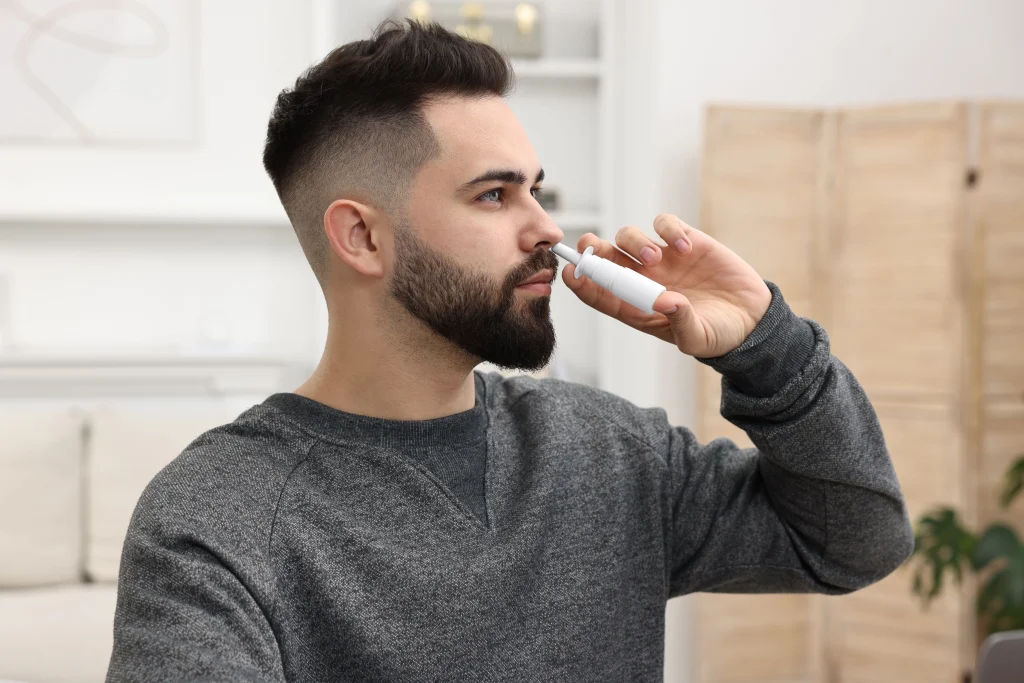
Spravato represents a breakthrough in mental health treatment as the first nasal spray antidepressant approved by the FDA. Unlike traditional antidepressants that can take six to eight weeks to work, this esketamine nasal spray operates through a different mechanism in the brain. It works by targeting NMDA receptors and is thought to help restore neural connections that depression has weakened or damaged over time.
The medication is specifically approved for adults with treatment-resistant depression (TRD) who haven’t responded adequately to at least two different antidepressant treatments. It’s also approved for adults with major depressive disorder who are experiencing acute suicidal thoughts or have recently been hospitalized for suicidal behavior. Because of its unique properties and potential for misuse, Spravato is only available through a restricted program and must be administered in a certified healthcare setting under medical supervision.
It is crucial to understand both immediate and longer-term effects. Many people experience some degree of immediate relief, particularly regarding feelings of hopelessness or suicidal thoughts. Research and practice show that some patients feel different within hours of their first dose, describing sensations of mental clarity, reduced anxiety, or a lifting of the heavy emotional burden they’ve been carrying.
This rapid onset distinguishes Spravato from conventional antidepressants, which typically require weeks to build up in your system before producing any mood benefits. The quick action can be particularly valuable for people in crisis or those who have been suffering for extended periods without relief from other treatments.
However, these initial improvements don’t tell the whole story. While some symptoms may ease quickly, achieving sustained and meaningful recovery from major depressive disorder requires continued treatment over several months.
The induction phase is the critical first stage of Spravato treatment, typically lasting four weeks. During this period, patients receive treatment twice weekly, for a total of eight sessions. This intensive schedule allows the medication to work on restructuring brain pathways while maintaining therapeutic levels in your system.
Clinical studies show that the most significant improvements in depressive symptoms occur during this induction phase. By the end of four weeks, many patients experience substantial reductions in depression rating scales, with some achieving remission (meaning their symptoms drop below the threshold for clinical depression).
The twice-weekly schedule during induction is intentional. It provides frequent enough dosing to build momentum toward recovery while allowing time between sessions for your brain to adapt and integrate the neurological changes. Each session lasts about two hours, including the administration time and required monitoring period afterward.
Understanding the pattern of gradual improvement can help set realistic expectations.
After completing the induction phase, treatment frequency typically decreases to once weekly or even less frequently for maintenance, depending on your response and your doctor’s recommendations.
Several factors affect how quickly and effectively ketamine treatment works for different individuals.
For patients experiencing acute suicidal ideation, Spravato’s rapid action can be life-saving. Clinical trials have demonstrated that the esketamine nasal spray can reduce suicidal thoughts within 24 hours of administration, significantly faster than any other available treatment. This makes it an invaluable option for people in immediate crisis who need relief urgently.
When used specifically for suicidal ideation, Spravato is administered alongside comprehensive psychiatric care, including safety planning and ongoing monitoring. The medication doesn’t replace other critical interventions but works alongside them to provide faster relief while longer-term treatments take effect.
It’s important to understand that while Spravato can rapidly reduce acute suicidal thoughts, addressing the underlying major depressive disorder still requires the full course of treatment. The medication provides a crucial window of safety and hope during a dangerous time, but sustained recovery depends on completing the recommended treatment schedule.
Not everyone responds to Spravato on the same timeline, and some people may not notice significant improvements until several weeks into treatment. If you’ve completed several sessions without feeling better, it’s natural to feel discouraged, but it doesn’t necessarily mean the treatment won’t work for you.
Communication with your healthcare provider is crucial during this time. They can assess whether adjustments to your treatment plan might help, such as modifying the dosage or addressing other factors that might be interfering with your response. Sometimes, continuing treatment beyond the initial induction phase reveals benefits that weren’t apparent earlier.
Research indicates that some patients who don’t respond in the first few weeks go on to experience significant improvements with continued treatment. Your doctor will work with you to determine the appropriate duration to assess whether Spravato is effective for you before considering alternative approaches.
If you’re considering Spravato or exploring other advanced treatment options, our experienced mental health providers are here to help. We specialize in evidence-based therapies for major depressive disorder, including TMS (transcranial magnetic stimulation), Spravato, ketamine infusions, and comprehensive medication management.
To make it easier for you to find qualified specialists in your area, we offer a curated provider directory, TMS Therapy Near Me, which connects you with trusted clinics that deliver cutting-edge treatments in safe, supervised settings. Whether you’re just beginning your search or ready to take the next step, our directory can help you find the right support close to home.
Spravato offers genuine hope for people struggling with treatment-resistant depression, but it’s not a magic solution that works instantly for everyone. The typical timeline involves some early improvements within days to weeks, with more substantial and sustained benefits developing over the four to eight-week induction phase and beyond.
Setting realistic expectations helps you stay committed to the treatment process even when progress feels slow. Tracking your symptoms through journaling or using rating scales can help you notice improvements that might otherwise go unrecognized. Small gains accumulated over weeks represent real recovery, even if they don’t feel dramatic day to day.
Working closely with your healthcare team, maintaining healthy lifestyle habits, and staying patient with the process give you the best chance of benefiting from this innovative treatment. For many people with major depressive disorder who have struggled for years without relief, Spravato has finally provided the breakthrough they desperately needed.
If you are wondering, “How long does it take for Spravato to work?”, the answer depends on many personal factors, including your overall depression severity, treatment history, and the strength of your support systems. While traditional options like an oral antidepressant or selective serotonin reuptake inhibitors (SSRIs) often take several weeks to influence mood, Spravato therapy acts through the brain’s glutamate system, offering the potential for rapid relief in people facing severe depression. Many patients begin to notice gradual improvements early in treatment, while others may require more time to experience significant relief.
Clinical trials comparing Spravato with placebo groups show that it can provide rapid improvement, especially when administered with proper clinical supervision and ongoing mental health care. Although everyone’s journey is unique, Spravato has consistently demonstrated its ability to relieve depression symptoms for individuals who have not responded to other treatments.
Ultimately, staying consistent with treatment, working closely with your care team, and maintaining healthy habits outside of sessions can all contribute to better outcomes. If you or someone you know is exploring alternatives for hard-to-treat depression, Spravato may be a meaningful option to discuss with a qualified provider.