



TMS Vs. ECT Therapy: Understanding Depression Treatment Choices
TMS vs. ECT
Table Of Content
Electroconvulsive Therapy: A Proven Solution for Severe Mental Illness
- Major depressive disorder
- Bipolar disorder
- Schizophrenia
- Catatonia
- Food refusal
- Psychotic symptoms

Unlocking the Power of Transcranial Magnetic Stimulation
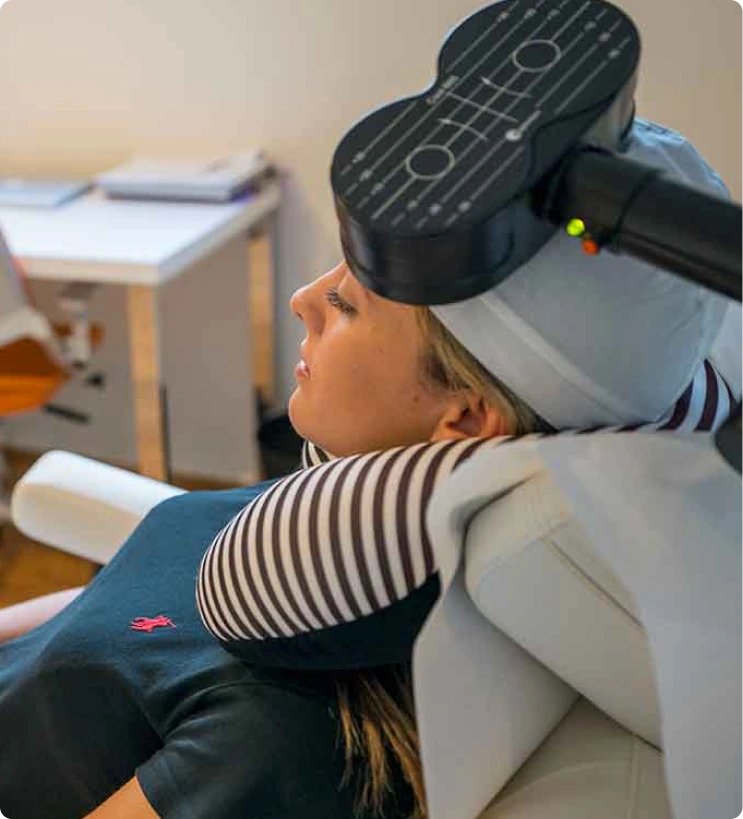
TMS therapy is a cutting-edge, non-invasive treatment designed to help individuals suffering from serious mental health conditions, such as severe depression, obsessive-compulsive disorder (OCD), and anxiety. This procedure involves using magnetic pulses to stimulate specific regions of the brain associated with mood regulation, aiming to restore healthy neural activity and improve emotional well-being.
Repetitive transcranial magnetic stimulation (rTMS) is typically administered in 20-36 outpatient sessions, each lasting between 18 and 40 minutes, with patients remaining awake and alert throughout the process. There is also an option to undergo theta burst stimulation (TBS), which shortens the procedure to 3-7 minutes. Overall, TMS has demonstrated significant success in treating depression, offering a viable alternative for those who have not found relief with traditional methods. TMS provides lasting benefits for many patients, making it a promising and highly effective therapy for mental health care.
Differences Between TMS and ECT

Mechanism of Action
- ECT uses controlled electrical currents to induce a brief therapeutic seizure. These seizures reset the brain's chemical balance and alleviate symptoms of treatment-resistant depression and other illnesses.
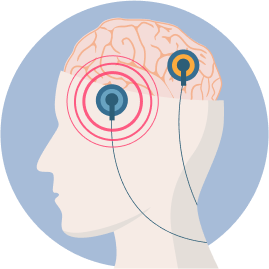
- In contrast, TMS uses targeted magnetic pulses to stimulate specific areas of the brain, particularly those involved in mood regulation. This non-invasive method encourages healthy neural activity without inducing seizures, allowing for a more localized effect.

Invasiveness
- ECT is an invasive treatment that requires general anesthesia to ensure the patient is unconscious and pain-free during shock therapy. It also involves using electrodes placed on the scalp to deliver electrical currents, which induce a seizure in the brain. Because of its invasive nature, ECT requires careful monitoring and is typically performed in a hospital or other clinical setting.
- In contrast, TMS is a non-invasive procedure. It does not require anesthesia, and no incisions or injections are involved. Instead, magnetic pulses are applied to specific areas of the brain using a coil placed on the scalp. This makes TMS treatment much less intrusive, allowing patients to remain fully awake and alert during the procedure with minimal disruption to their daily routines.

Conditions Treated
- ECT is commonly used for:
- Major depression (especially treatment-resistant cases)
- Bipolar disorder
- Bipolar depression
- Schizophrenia
- Catatonia
- Severe psychotic symptoms
- TMS is primarily used for:
- Major depressive disorder
- OCD
- Smoking cessation
- Schizophrenia
- Anxious depression
- PTSD (off-label)

Side Effects
- Short-term memory loss (often temporary)
- Confusion and disorientation immediately after treatment
- Headaches
- Muscle aches
- Nausea due to anesthesia
- Mild headache or scalp discomfort during or after treatment
- Dizziness
- Tingling or twitching sensations in the scalp or face
- Rare cases of seizures (extremely uncommon)
Effectiveness

Recovery Time
Which Option Is Better for Treating Major Depressive Disorder?