


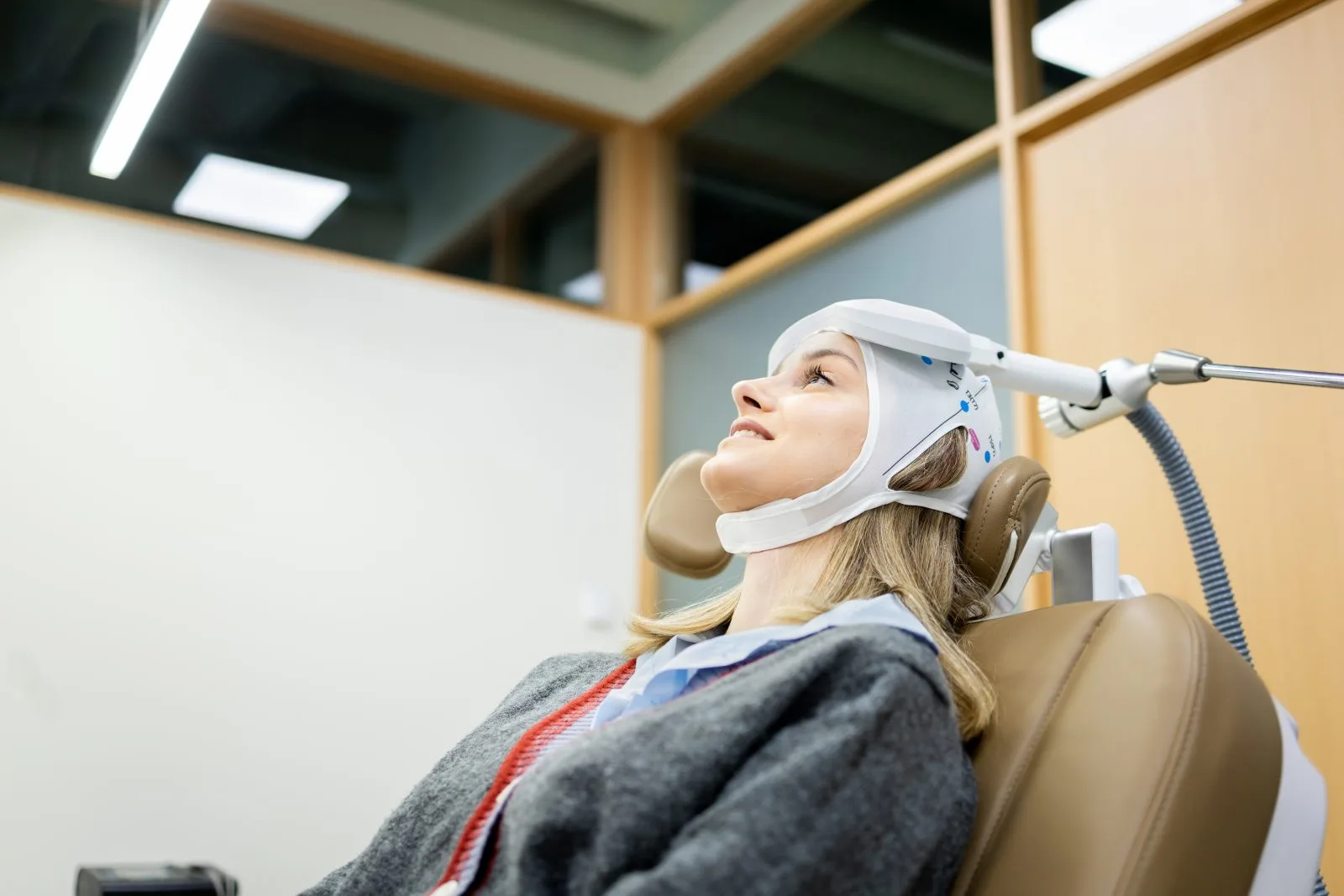
TMS can reduce how often panic attacks happen and how intense they feel for many people, but it is not a guaranteed cure. Research on transcranial magnetic stimulation for panic disorder is still growing. Early results show real promise, especially for people whose panic has not improved with medication or talk therapy alone. TMS works as one part of a full treatment plan built around your symptoms.
This article answers the question behind “TMS for Panic Disorder: Can Transcranial Magnetic Stimulation Stop Panic Attacks?” in detail. It covers what panic disorder is, how TMS works, what the research shows, and what treatment feels like.
Panic disorder is an anxiety condition marked by repeated, unexpected panic attacks. A panic attack is a sudden wave of intense fear that peaks within minutes. It often strikes without a clear trigger.
One panic attack does not mean a person has panic disorder. The diagnosis applies when attacks keep coming back and the person starts to fear the next one. That fear often changes daily life. People may avoid stores, driving, crowds or any place where they once had an attack.
Panic attacks feel physical as much as emotional. Common symptoms include:
A pounding or racing heart
Shortness of breath or a choking feeling
Chest pain or tightness
Dizziness or lightheadedness
Sweating, shaking or chills
Numbness or tingling
A sense of unreality or detachment
A strong fear of losing control or dying
Many people go to the emergency room during their first attack because they believe something is wrong with their heart. Over time, the constant worry about future attacks can affect work, sleep, relationships and confidence. Panic disorder also often appears alongside depression, which can make both conditions harder to treat.
Transcranial magnetic stimulation is a non-invasive brain stimulation treatment. It uses magnetic fields to stimulate nerve cells in specific areas of the brain. The technology is similar to an MRI.
TMS does not require surgery or anesthesia. Patients stay awake during each session and can return to normal activities right after. There is no recovery period.
There are several forms of TMS, including repetitive TMS, Deep TMS, Accelerated TMS and the SAINT TMS protocol. Each one delivers magnetic pulses in a different pattern or depth. You can learn more about these options in our guide to types of TMS.
The brain works through networks of nerve cells that send electrical signals to each other. In anxiety and panic disorder, some of these networks may be overactive or out of balance.
A magnetic coil placed against the scalp sends focused pulses into a targeted brain region. These pulses create small electrical currents that change how the nerve cells in that area fire. Depending on the settings, TMS can either calm activity in a brain region or boost it.
With repeated sessions, these changes can last. The goal is to help the brain’s mood and fear circuits work in a steadier, more balanced way.
Panic disorder is linked to how the brain processes fear and threat. Two areas matter most:
The prefrontal cortex, which sits behind the forehead and helps control emotional reactions
The amygdala and related fear circuits, which sit deeper in the brain and trigger the body’s alarm response
In many people with panic disorder, the fear circuits react too strongly, and the prefrontal cortex does not calm them down fast enough. TMS targets the prefrontal cortex. By changing activity there, TMS may help the brain regulate fear signals more effectively.
For panic and anxiety, providers often use low-frequency pulses on the right side of the prefrontal cortex. This setting tends to quiet overactive areas. When depression is also present, a different target on the left side may be used. Your provider chooses the target and pattern based on your symptoms.
TMS may be worth considering if you:
Have tried one or more medications without enough relief
Had side effects from medication that made it hard to continue
Have done talk therapy but still have frequent attacks
Have panic disorder along with depression or OCD
Prefer a treatment that does not involve daily pills
TMS is not right for everyone. People with metal implants in or near the head, certain implanted devices or a history of seizures need careful screening. A full evaluation helps decide whether TMS fits your health history.
If you take medication now, you may wonder whether it can be used with TMS. Our article on TMS medication compatibility covers this topic.
TMS has a strong research record for major depression and OCD. Its use for panic disorder is newer, and the research is smaller in scale.
Early clinical studies have found that low-frequency TMS on the right prefrontal cortex can lower panic symptoms and general anxiety in some patients. Several studies also found improvements in related depression symptoms. Patients who had panic disorder along with depression often saw gains in both areas.
However, many of these studies included small groups of patients. Results have varied from study to study. Researchers agree that larger trials are needed before TMS can be called a standard treatment for panic disorder alone. For now, TMS for panic disorder is often used off-label, which means a provider applies it based on clinical judgment and current evidence.
For people who respond, TMS may offer:
Fewer panic attacks. Some patients report attacks happening less often.
Milder attacks. When attacks do happen, they may feel less intense or pass faster.
Less anticipatory anxiety. The constant fear of the next attack may ease.
Better mood. Because TMS also treats depression, mood often improves too.
No whole-body side effects. TMS works locally, so it does not cause the weight gain, fatigue or sexual side effects some medications cause.
Room for other treatments. TMS can often be combined with therapy or medication.
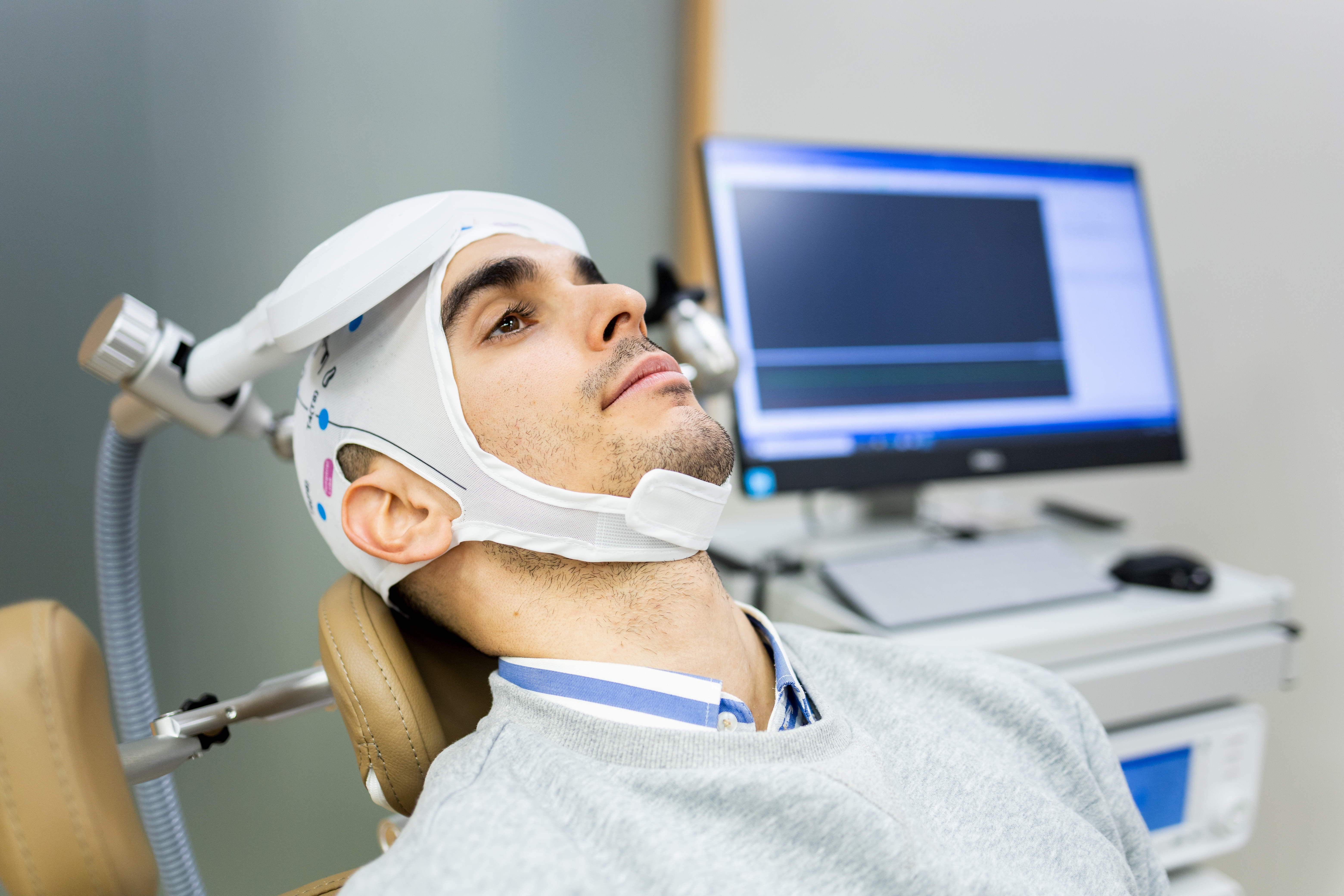
TMS starts with an evaluation. Your provider reviews your symptoms, past treatments, medications and medical history. This step confirms whether TMS is safe and likely to help.
Next comes mapping. During the first session, the provider finds the right spot on your scalp and the right strength of magnetic pulses for your brain. These settings are saved and used for later sessions. Our article on TMS mapping explains this step.
A standard course of TMS usually involves sessions five days a week for several weeks. Accelerated TMS packs more sessions into a shorter time frame. Your provider will recommend a schedule based on your needs. Learn more about TMS frequency.
During a session, you sit in a comfortable chair. A magnetic coil rests against your head. When the machine runs, you hear a clicking sound and feel a light tapping on your scalp. Many patients wear earplugs to soften the noise.
You stay awake and alert the whole time. Many people read, listen to music or simply relax. Session length depends on the protocol used. Some protocols take less than 10 minutes, while others take longer.
When the session ends, you can drive yourself home or return to work. Because TMS involves no sedation, you can return to normal activities right away.
If you feel nervous about how it feels, our article on whether Does TMS hurt covers what patients usually notice. You can also read about how to prepare for your first session.
TMS has a well-documented safety record and very few side effects. The most common ones include:
Mild scalp discomfort where the coil sits
Headache, which usually fades after the first week
Brief facial twitching during sessions
Lightheadedness
These effects are usually mild and tend to decrease as treatment continues.
People with panic disorder sometimes worry that the sensations of TMS might trigger an attack. Your provider can start at a lower intensity and adjust slowly so your body has time to get used to the feeling. Letting your care team know about your panic triggers helps them make each session more comfortable.
Many people with panic disorder do not get full relief from first-line treatments. Some cannot tolerate medication side effects. Others improve only partway, and their attacks continue.
This gap is one reason interest in TMS keeps growing. TMS offers a way to treat the brain directly without affecting the whole body. It also works well alongside cognitive behavioral therapy and other talk therapies. Some providers see TMS as a way to calm the brain’s alarm system so patients can make better progress in therapy.
TMS also helps with conditions that often appear alongside panic disorder, such as depression, OCD and PTSD. For a patient dealing with more than one condition, a single treatment that may help several of them is appealing.
Finally, TMS keeps improving. Newer protocols such as Accelerated TMS and Deep TMS give providers more ways to customize care. As research continues, the role of TMS in anxiety treatment will likely become clearer.
TMS is a non-invasive treatment that may lower the frequency and intensity of panic attacks by calming overactive fear circuits in the brain. Research is early but encouraging, and results are strongest when TMS is paired with therapy and a personalized treatment plan. If panic disorder has not improved with other treatments, TMS is worth discussing with a provider who can evaluate whether it fits your needs.
