


Can TMS Make Depression Worse? What Patients Should Know
TMS does not make depression worse for most patients, and it does not cause lasting harm to mood or the brain. Some people do feel temporarily worse during the first two to three weeks of treatment, a pattern often called the "TMS dip." This short setback usually passes as the brain adjusts. Below, we explain why it happens, what it feels like, how to manage it, and which warning signs should never be brushed aside.
TMS Rarely Makes Depression Worse
Many patients ask us, "Can TMS make depression worse?" before they start. It is a fair question. Most people who come to TMS have already tried several antidepressants, and some of those medications left them feeling flat or more anxious. Trying something new after that kind of experience takes trust.
The reassuring part is that transcranial magnetic stimulation works differently from medication. It does not travel through the bloodstream or affect the whole body. It targets a specific area of the brain linked to mood. Any worsening that does show up is usually mild and short-lived. It also tends to appear early in a course of treatment, which is when our team watches most closely.
Understanding TMS Therapy
Knowing how TMS works makes it easier to understand why some patients feel a temporary dip and why it rarely lasts.
What TMS Is
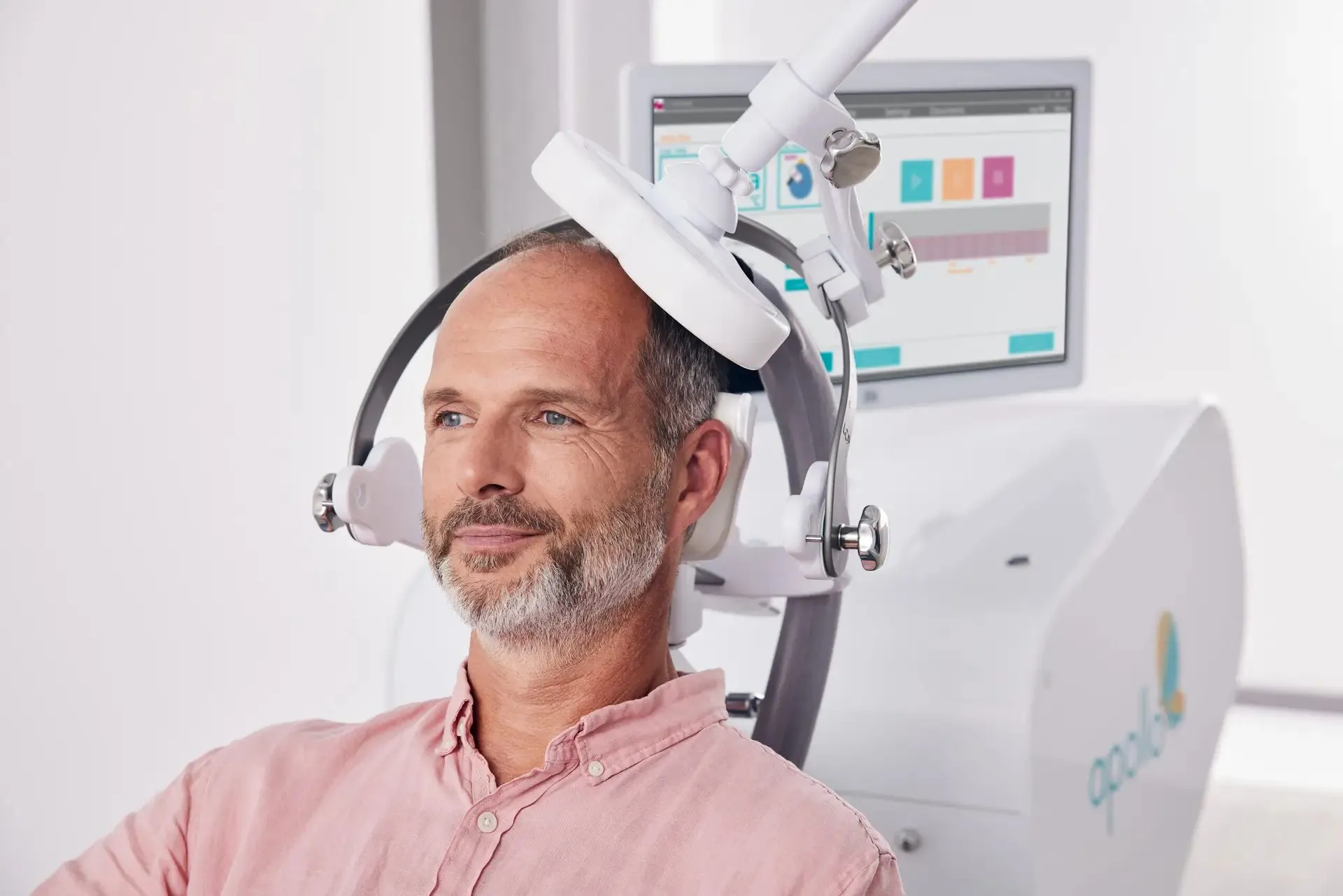
Transcranial magnetic stimulation is a non-invasive brain stimulation treatment. It uses magnetic fields, a technology similar to an MRI, to stimulate nerve cells in targeted brain regions. TMS does not require surgery or anesthesia. Patients stay awake and alert during each session and can return to normal activities afterward, with no recovery period.
Our team offers several forms of this treatment, including NeuroStar TMS Therapy, Deep TMS, Accelerated TMS and the SAINT TMS protocol. Each one delivers magnetic pulses in a different pattern or schedule. You can read more about the TMS types to see how they compare.
How TMS Treats Depression
Depression is linked to lower activity in parts of the brain that help regulate mood. TMS directs magnetic fields to this mood center. The electromagnetic currents stimulate nerve cells and reactivate regions that had become sluggish.
Over a series of sessions, this repeated stimulation can strengthen the brain’s mood networks. Many patients notice better sleep and more energy as treatment goes on. Others first notice sharper concentration before their mood lifts. Change builds gradually, which is one reason the early weeks can feel uneven.
TMS Safety and Effectiveness
TMS has a strong safety record. It has been used for treatment-resistant depression for well over a decade. Its side effects are generally mild and tend to fade as treatment continues.
Because TMS does not circulate through the body, it avoids the weight gain or sexual side effects many people experience with antidepressants. It is also a good option for patients who did not get relief from medication. Our page on TMS safety covers this topic in more depth.
The Possibility of Feeling Worse During TMS
Feeling worse during treatment can be alarming, especially when you started TMS to feel better. Here is what is actually going on.
How Often TMS Worsens Depression
Lasting worsening of depression from TMS is uncommon. What some patients experience instead is a temporary rough patch. Mood may dip, anxiety may rise, or sleep may become restless for a short time before improvement begins.
These changes are different from depression getting permanently worse. They are part of how the brain responds to a new form of stimulation. In most cases, they resolve on their own within days to a couple of weeks.
Why Symptoms Can Temporarily Get Worse
TMS asks the brain to change long-standing patterns. When nerve cells in underactive mood regions start firing more, the brain has to rebalance. That adjustment period can feel unsettling.
Other factors can add to it. Early sessions may bring headaches or fatigue, and feeling physically tired can drag mood down. Some patients also feel discouraged when they do not notice results right away. That disappointment can feel like the depression itself is getting worse, even when treatment is on track.
The "TMS Dip": What to Expect
The TMS dip is one of the most talked-about parts of treatment. Understanding it ahead of time helps patients stay steady if it happens.
Defining the TMS Dip
The TMS dip is a short period during treatment when depressive symptoms seem to worsen. It most often appears around the second or third week. It usually passes without any change to the treatment plan.
The dip is not a sign that TMS is failing. For many patients, it shows up shortly before their first real signs of improvement.
Why Not Everyone Experiences It
Every brain responds to stimulation in its own way. Some patients move steadily from their starting point to feeling better, with no dip at all. Others feel a noticeable drop.
Factors such as how long someone has had depression can play a role. Other conditions they live with and their sensitivity to change may matter too. There is no way to predict in advance who will experience a dip. That is why our team checks in with patients regularly throughout treatment.
What the TMS Dip Feels Like
Patients describe the dip in different ways. Common experiences include:
- Lower mood or more tearfulness than usual
- Feeling more tired or drained after sessions
- Increased irritability or anxiety
- Trouble sleeping or restless nights
Some patients say it feels similar to their depression at its worst. Others describe it as a general sense of feeling "off." Either way, it tends to lift as treatment continues.
When Feeling Worse Is Considered Normal
Feeling somewhat worse is generally considered normal when it starts in the first few weeks and stays mild to moderate. It should also improve gradually rather than keep building. Patients should still be able to get through daily life, even if it feels harder for a while.
Feeling worse is not normal if it includes thoughts of self-harm or suicide. A sudden, severe change in mood is also not normal. Neither are symptoms that keep getting worse well past the first month. These need prompt attention, and we cover them below.
Managing the TMS Dip Day to Day
A few practical steps can make the dip easier to get through:
- Keep attending sessions. Consistency matters. Stopping early can interrupt progress right before it starts.
- Tell our team how you feel. Honest updates help us adjust your plan if needed.
- Protect your sleep. A regular bedtime helps the brain recover between sessions.
- Lean on support. Counseling and trusted friends or family can help you stay grounded.
Our team also offers counseling and medication management. Some patients find that pairing TMS with talk therapy helps them work through difficult weeks.
Why Some Patients Dislike the Term "It’s Just the Dip"
Some patients find the phrase "it’s just the dip" dismissive. When you feel awful, hearing that it is "just" a phase can make it seem like your experience does not count.
We take that concern seriously. A dip is real, and it can be hard. Naming it should help patients feel prepared, not brushed off. Every report of worsening deserves a real conversation. Our team listens to what each patient is going through rather than assuming every bad week is the dip.
TMS Side Effects: What You Should Know
Physical side effects can affect how patients feel emotionally. Knowing what to expect helps separate normal discomfort from something that needs attention.
Common Emotional and Physical Side Effects
The most common side effects of TMS are mild. They include:
- Headache, especially during the first week
- Scalp discomfort where the coil is placed
- Tingling or twitching of facial muscles during stimulation
- Lightheadedness after a session
Emotionally, some patients feel more tired or more sensitive early on. These effects usually ease as the body gets used to treatment. If you are curious about discomfort during sessions, our article answering does TMS hurt explains what patients typically feel.
Less Common and Rare Side Effects
A smaller number of patients notice increased anxiety or trouble sleeping. Others feel a brief rise in irritability. Some notice temporary changes in hearing sensitivity, which is why ear protection is used during sessions.
Patients with anxiety sometimes worry TMS will make that worse as well. Our page on whether TMS can worsen anxiety covers this concern in detail.
Serious Side Effects: Warning Signs Not to Ignore
Serious side effects are very rare, but patients should know them.
Contact our team right away if you notice any of the following:
- Thoughts of suicide or self-harm
- A sudden, extreme rise in energy, racing thoughts or very little need for sleep
- Fainting or loss of consciousness
- Severe headache that does not improve
If you are ever in immediate danger or thinking about ending your life, call 988 or go to the nearest emergency room. Do not wait for your next session.
How Long Do TMS Side Effects Last
Most side effects are short-term. Headaches and scalp discomfort often fade after the first week or two. Fatigue usually improves as the brain adapts. Emotional changes linked to the dip typically resolve within a few weeks.
Side effects do not usually continue after a course of treatment ends. If something lingers, our team can look at what might be contributing.
Managing Side Effects for Comfort
Small changes can make sessions more comfortable. Staying hydrated and eating before treatment can reduce lightheadedness. Over-the-counter pain relievers may help with headaches, though you should check with our team first.
The intensity of stimulation can also be adjusted when discomfort is high. Many patients find that discomfort drops noticeably after the first several sessions. Preparing ahead also helps, and our guide on preparing for TMS offers practical tips. Knowing these factors helps our team plan carefully.
Co-Occurring Conditions and Special Considerations
Many people with depression also live with anxiety, PTSD or OCD. These conditions can make the early weeks of TMS feel more intense. A patient with significant anxiety, for example, may notice more restlessness at first.
Medications matter too. Some drugs can change how the brain responds to stimulation. Our team reviews current medications before treatment begins. You can learn more about medication compatibility with TMS.
Conditions That Require Extra Watchfulness
Bipolar disorder is the main condition that calls for close monitoring. In patients with bipolar disorder, TMS can occasionally trigger hypomania or mania. Signs include unusually high energy and very little need for sleep. Rapid speech is another sign. Patients with bipolar disorder can still be candidates for TMS, but they need careful screening and regular check-ins.
A history of seizures or head injury also calls for extra caution.
Who Should Not Have TMS: Contraindications
TMS is not right for everyone. People with metal implanted in or near the head usually should not have TMS. This includes:
- Aneurysm clips or coils
- Cochlear implants
- Deep brain stimulators
- Metal fragments or plates in the skull
Dental fillings and braces are generally not a concern. A thorough psychiatric evaluation before treatment helps confirm whether TMS is a safe fit. Our article on who makes a good TMS candidate explains this further.
Conclusion
For most patients, the answer to "can TMS make depression worse" is no. Temporary dips in mood can happen, but they are usually brief and manageable. Knowing what to expect and staying in touch with our team helps keep treatment safe and effective. For many people with treatment-resistant depression, the potential benefits of TMS far outweigh its temporary discomforts.

About the Author
TMS Therapy Near Me
November 9, 2026