



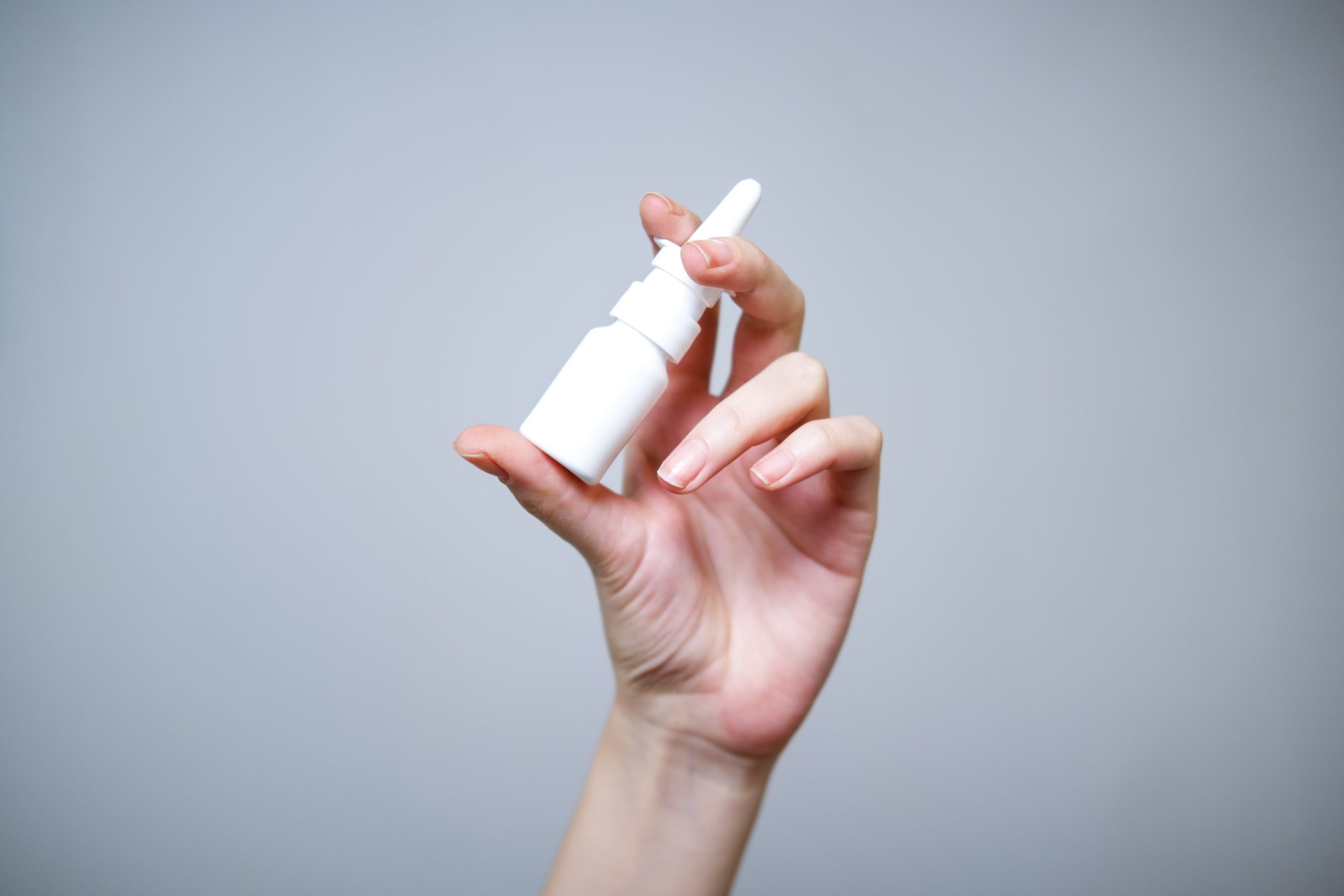
Many patients who use Spravato (esketamine) nasal spray notice a reduction in symptoms within hours of the first dose, with clearer and more stable mood gains over the first several weeks. Some feel a lift the same day; others notice better energy, sleep, or fewer dark thoughts after several visits. TMS Therapy Near Me connects patients with certified treatment centers offering this faster-acting option compared with traditional oral antidepressants.
Spravato is the brand name for esketamine, an FDA-approved prescription nasal spray for adults. It is given in a calm, monitored clinical setting – not at home on a casual schedule.
It is approved for:
Treatment-resistant depression (TRD): major depressive disorder that has not responded adequately to at least two different oral antidepressant treatments
Major depressive disorder with acute suicidal ideation or behavior (MDSI): used to rapidly reduce depressive symptoms in a psychiatric emergency
The spray is an additional tool, not a replacement for other parts of care. It is one of the larger shifts in psychiatric care in decades, aimed at people who still feel stuck after typical pills.
Find a Spravato Provider in Your Area
Timing varies by person, visit schedule, and how severe the depression is at the start. Many patients feel something early; a full, steady response usually takes shape over the first month of more frequent sessions. Early change can fade and then return as visits add up – stopping after a single session is rarely enough to judge the medicine.
Initial hours to days: Some patients report a “lifting” of symptoms – improved mood, reduced hopelessness, feeling lighter, calmer, or less trapped in looping thoughts – within hours of the first or second treatment. For those with acute suicidal thoughts, this rapid onset can be particularly critical. That early shift is encouraging, not the whole story.
The first week or two: Sleep may improve. Getting started in the morning may take less effort. Interest in food, people, or simple tasks may tick up. Family members sometimes see the change before the patient trusts it.
The first month (induction phase): Sessions are typically twice a week for the first four weeks. Cumulative effects build, and many patients experience a significant, more consistent reduction in symptoms by the end of this phase. The goal is a strong initial response and movement toward remission.
After the first month (maintenance phase): Frequency is reduced to sustain improvement and prevent relapse. Sessions may taper to once a week, then once every two weeks, and eventually monthly, depending on stability and clinical needs.
A meaningful response means symptoms have dropped in a way you can feel in daily life. Remission means symptoms have receded to a very low level. Not everyone reaches remission; many people with treatment-resistant depression do reach a meaningful response. If nothing has shifted after a fair run of early visits, our team uses that timeline to decide whether to continue, adjust, or consider another option.
Individual biology: Brain chemistry, genetic factors, and the specific nature of a person’s depression all influence the speed of response
Severity and duration of depression: Deeper, longer-lasting, unremitting depression can take more visits to move
Prior treatment history: Patients who have already failed several antidepressants are the group this medicine is built for and may need the full intensive stretch before gains hold
Co-occurring conditions: Other medical or psychiatric conditions can affect outcomes
Adherence and visit consistency: Skipping sessions, especially in induction, stretches the timeline and makes results harder to read
Concurrent oral antidepressant: The spray is not meant to stand alone; taking the paired oral medicine as prescribed supports the response
Other health factors: Sleep loss, alcohol, and unmanaged medical issues can blunt mood gains
What you track: A simple daily mood log can reveal a slow climb that memory misses. Energy, hope, and suicidal thinking are worth noting as separate items – they do not always move on the same day
Spravato is a longer-term strategy for managing chronic depression, not a short-term fix. Most patients can expect to be in treatment for at least several months, and many continue for a year or more to maintain progress and prevent recurrence.
Induction phase: The first four weeks, with sessions twice per week – the busiest stretch, so it helps to plan work, family, and travel around it
Maintenance phase: For the next month, sessions are typically once a week; after that, frequency may drop to every one or two weeks
The intensive phase is the opening; maintenance is how gains are protected
Stopping the moment you feel better can allow symptoms to return
Some people taper off after a sustained period of stability; others stay on a spaced-out plan because it keeps depression from roaring back
There is no single end date; the decision to continue, adjust, or discontinue is made collaboratively based on how you feel and ongoing symptom assessment
Spravato is administered in a calm, monitored clinical setting designed for safety and comfort. Plan for the visit to take longer than a typical pill pickup – this is care, not a quick errand.
Before your session: Avoid food for at least two hours and liquids for at least 30 minutes. Arrange transportation; you will not be able to drive or operate heavy machinery for the rest of the day. Wear comfortable clothing and keep a simple plan for the rest of the day. Do not drop a current oral antidepressant on your own because the spray has started.
During your session: You self-administer the nasal spray under provider supervision. The dose is divided between the nostrils, with a 5-minute wait between sprays if multiple devices are used. Afterward, you rest in a comfortable chair in a private or semi-private room. Common short-term side effects include dissociation (an “out-of-body” experience), dizziness, sedation, nausea, and a temporary increase in blood pressure. These typically peak within the first hour and resolve before you leave.
After your session: Clinical staff monitor you for at least two hours, check your blood pressure, and ensure side effects have subsided before you leave with your pre-arranged ride. Spend the rest of the day resting.
Progress is reviewed over time, not after a single good afternoon. You can also pair medical care with practical steps that help people overcome depression in daily life, such as a regular sleep window and small, repeatable routines.
Spravato was approved based on a robust portfolio of clinical trials in treatment-resistant depression. Those results are a major reason it is now part of depression care and one of the most important alternative treatments for severe depression.
Up to 70% of patients with treatment-resistant depression achieve a meaningful response when Spravato is used with an oral antidepressant
A “response” is generally defined as at least a 50% reduction in depressive symptoms on standardized rating scales
Around 30–50% of patients in these trials reached full remission – symptoms reduced to a very low level
No treatment works for everyone; the first weeks are both a treatment and a test
When comparing options like TMS vs Spravato or Spravato vs ketamine, these success rates are an important part of the conversation with a provider.
Spravato may be a path forward if you have tried multiple antidepressants without relief, or if major depression includes suicidal ideation and you can take part in monitored visits.
It may not be the next step if you have never tried a standard antidepressant, or if you cannot complete the on-site visit time
Ask yourself: Have you given other antidepressants a real chance? Can you attend a more intensive schedule at the start? Are you willing to continue an oral medicine alongside the spray? Can you watch your mood over weeks, not hours?
Bring your full medicine history: what you tried, how long you tried it, and what changed
Early change often falls in a range of hours to weeks; a full course often runs months – still far shorter than another long cycle of the same type of pill
The first step is a thorough consultation with a qualified provider who can evaluate your medical history, review past treatments, confirm a diagnosis of treatment-resistant depression, and determine whether Spravato is a safe, appropriate choice.
Ready to see if Spravato could help? TMS Therapy Near Me maintains an online database of certified Spravato treatment centers, making it easy to find a qualified provider in your area. Financing options are available to help make treatment more accessible.
Search our online provider database now to connect with a Spravato specialist near you.
Many patients feel that Spravato starts working within hours to days after the first dose, with more substantial and stable improvement over the first month of twice-weekly treatments. A typical course lasts several months, and many people continue for a year or more after that intensive start. Spravato acts on the brain’s glutamate system and offers a different path for treatment-resistant depression and major depression with suicidal thinking, with trial data showing up to 80% meaningful response and about 30–50% remission.

About the Author
TMS Therapy Near Me
October 1, 2026