Which Is Better: Spravato vs Ketamine Infusion?
When comparing Spravato and ketamine infusion for treatment-resistant depression, neither option is universally “better” since the right choice depends on individual circumstances, including insurance status, treatment history, and personal preferences. Spravato (intranasal esketamine) offers the convenience of a nasal spray administered in shorter sessions with FDA approval specifically for treatment-resistant depression, making it more likely to receive insurance coverage. Meanwhile, IV ketamine infusion has been used longer in clinical practice, offers more flexible dosing options, and may work faster for some patients. However, it typically requires longer sessions and is less likely to be covered by insurance.
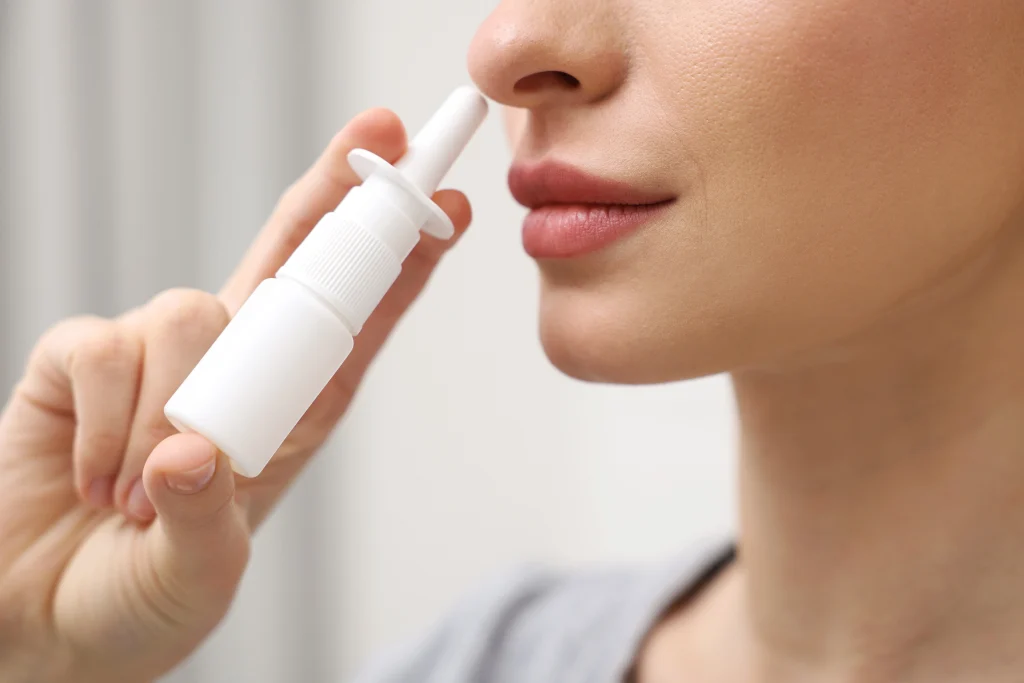
Both ketamine and Spravato represent a revolutionary approach to treating depression by targeting the brain’s NMDA receptors rather than the traditional serotonin pathways used by standard antidepressants. This different mechanism of action explains why these treatments can help people who haven’t responded to conventional medications.
Ketamine is a dissociative anesthetic that has been used in medical settings for decades. When administered at lower doses than those used for anesthesia, it has shown remarkable potential for rapidly reducing depressive symptoms. Spravato, on the other hand, is a newer pharmaceutical product containing esketamine, which is one of two mirror-image molecules that make up ketamine. The S-enantiomer (esketamine) is considered the more potent component for antidepressant effects.
The fundamental difference lies not just in the chemical composition but in how these treatments are delivered, regulated, and accessed by patients seeking relief from severe depression.
The delivery method represents one of the most significant differences between these two treatment options.
The bioavailability also differs between these methods. IV treatment delivers 100% of the medication directly into the bloodstream, while intranasal esketamine has lower and more variable bioavailability, meaning the amount that actually reaches your system can vary from person to person and even between treatments.
Both treatments have demonstrated impressive results for people struggling with treatment-resistant depression, though comparing them directly is challenging because they haven’t been extensively studied head-to-head in large clinical trials.
Research on IV ketamine shows that approximately 50 to 70% of patients with depression experience significant improvement, often within hours or days of their first treatment. Many patients report that IV ketamine provides a sense of mental clarity and emotional relief that they haven’t experienced in years.
Spravato’s clinical trials, which led to FDA approval, showed that about 50-60% of patients experienced meaningful improvement when combined with an oral antidepressant. One advantage of Spravato is that it has been specifically studied for major depressive disorder with acute suicidal ideation, showing a rapid reduction in suicidal thoughts.
Response speed can vary among individuals, regardless of the treatment they choose. Some people feel better after a single session, while others need several treatments before noticing significant changes. The initial treatment phase typically involves multiple sessions over several weeks, followed by maintenance treatments to sustain the benefits.
Spravato received FDA approval in 2019 for treatment-resistant depression and later for depressive symptoms in adults with major depressive disorder with acute suicidal ideation or behavior. This approval means the medication has undergone rigorous clinical trials demonstrating safety and efficacy in accordance with FDA standards.
IV ketamine infusion for depression, however, is considered an “off-label” use of an FDA-approved medication. While ketamine itself has been FDA-approved as an anesthetic since 1970, using it specifically for depression treatment hasn’t received separate FDA approval. This doesn’t mean it’s unsafe or ineffective; off-label prescribing is common in medicine, and many doctors consider the evidence for IV ketamine compelling enough to offer it to appropriate patients.
The FDA approval status has significant implications beyond just regulatory oversight. It affects how insurance companies view the treatments, how standardized the protocols are, and what post-market surveillance is in place to monitor long-term safety and effectiveness.
The difference in insurance coverage between these options often becomes the deciding factor for many patients. Spravato is more likely to be covered by insurance because it has FDA approval for treatment-resistant depression, though coverage isn’t automatic or universal. Patients typically need to document that they’ve tried and failed multiple traditional antidepressants before insurance will authorize Spravato treatment. Even with coverage, copays can be substantial.
IV treatment with ketamine is rarely covered by insurance specifically for depression. Most patients pay out of pocket, with costs ranging from $400 to $800 per infusion. An initial series might include six to eight infusions over three to four weeks, followed by maintenance sessions every few weeks or months.
Some ketamine clinics offer payment plans or package pricing to help manage costs. Additionally, patients should ask about using Health Savings Accounts (HSAs) or Flexible Spending Accounts (FSAs) to pay for IV ketamine with pre-tax dollars, which can provide some financial relief.
he logistics of each treatment affect patient experience and adherence. Spravato requires patients to visit a certified treatment center where healthcare providers have completed special training. The medication must be administered at these certified locations, and patients cannot take it home. After self-administering the nasal spray, patients rest in a comfortable area while being monitored, and then need someone to drive them home.
IV ketamine can be administered at various types of clinics, from specialized ketamine centers to integrative psychiatry practices. The longer infusion time means patients spend more time receiving active treatment, but some find this meditative time valuable. Like Spravato, patients should not drive themselves home after treatment.
So, which is better: Spravato vs ketamine infusion? The answer depends on individual needs, treatment history, and personal preferences. Both options have shown the potential to improve depression symptoms, though the way they work and are administered differ. Ketamine IV infusions provide precise dosing through an intravenous injection, allowing for rapid relief and, in many cases, immediate improvement of depressive symptoms. Many patients experience significant relief after just a few sessions, and ongoing ketamine treatment can be tailored based on patient response to sustain benefits.
Spravato, while administered as a nasal spray, also targets the same NMDA receptors and can offer rapid symptom relief, particularly when combined with a broader treatment plan. FDA risk evaluation has guided the approved use of Spravato, providing patients and providers with standardized protocols and oversight, whereas generic ketamine and IV ketamine, administered off-label, remain widely used due to clinical experience and flexibility in dosing.
Ultimately, choosing between these treatments should involve careful discussion with a mental health professional to determine which approach – Spravato or ketamine IV infusions – is most likely to provide meaningful improvement in depression symptoms and fit within a patient’s overall treatment plan.